Introduction: The Critical Role of Steel Belt Systems in Modern Industry
Steel belt systems form the backbone of continuous processing lines across diverse sectors, from chemical pastillation and food baking to resin cooling and powder flaking. For procurement professionals, selecting the right steel belt equipment and a reliable supplier is a strategic decision that impacts production efficiency, product quality, and total cost of ownership. This guide provides a structured framework to evaluate suppliers and products, ensuring your investment aligns with long-term operational goals.
Key Evaluation Criteria for Steel Belt Suppliers
A thorough supplier assessment should extend beyond initial price quotes. Focus on these core areas to make an informed decision.
1. Technical Expertise and Product Range
Assess the supplier's depth of knowledge in your specific application. A broad portfolio often indicates extensive experience.
- Core Belt Manufacturing: Can they supply both carbon steel belts and stainless steel belts with certified material properties (e.g., fatigue strength, thermal conductivity, corrosion resistance)? Look for options like perforated belts or belts with PTFE coating for specialized needs.
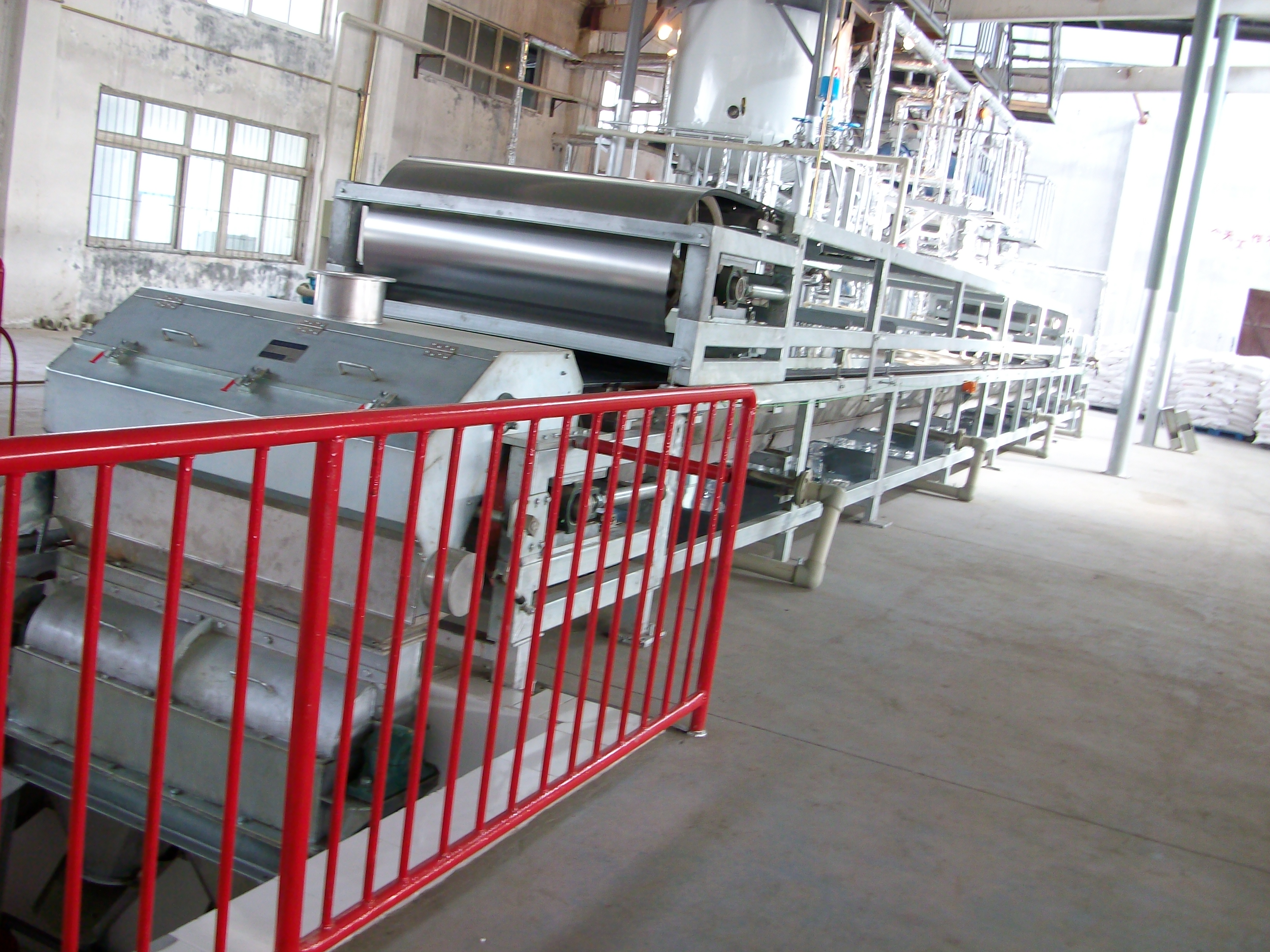
- Application-Specific Equipment: Do they offer complete systems like Sulphur Pastillators, Resin Steel Belt Coolers (single or double belt), Steel Belt Tunnel Ovens, or Chocolate Steel Belt Conveyors? This demonstrates system integration capability.
- Customization Ability: Can they accommodate custom widths, lengths, surface finishes, or integrate features like rubber V-ropes for tracking?
2. Quality Assurance and Certifications
International certifications are a baseline indicator of a supplier's commitment to consistent quality and environmental management.
- Verify valid certifications such as ISO 9001 for quality management systems and ISO 14001 for environmental management. These standards ensure documented processes for production, inspection, and continuous improvement.
- Request detailed material test certificates and ask about their in-house quality control procedures for belt flatness, straightness, and weld integrity.
3. After-Sales Support and Service Network
Downtime is costly. A supplier's support structure is as critical as the product itself.
- Technical Support: Availability of engineers for installation guidance, process optimization, and troubleshooting.
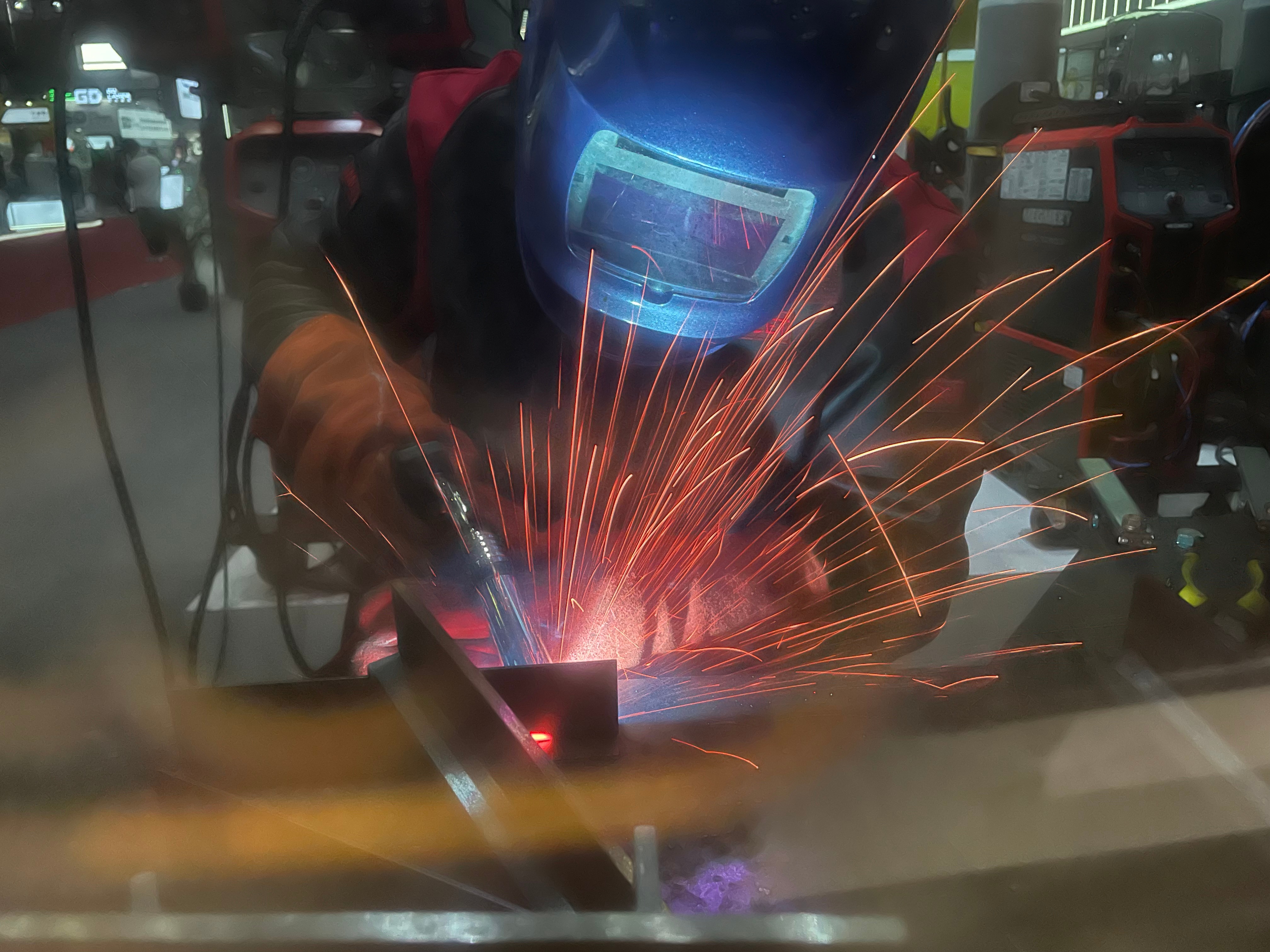
- Maintenance & Repair Services: Look for dedicated service centers offering steel belt crack welding repair, insert repair, and V-rope replacement. Prompt spare parts supply is essential.
- Global Presence: Suppliers with multiple offices or agents can provide faster local response.
Matching Equipment to Your Application: A Functional Overview
Understanding the primary equipment types will help you specify the correct solution.
- For Granulation/Cooling: Sulphur Pastillators and Wax pastillators create uniform granules. Epoxy Steel Belt Coolers and Polyester Steel Belt Coolers are designed for specific resin cooling profiles.
- For Flaking: Powder painting Steel Belt Flakers and resin flakers cool molten materials into thin, consistent flakes for easier handling.
- For Food Processing: Steel belt bakery tunnel Ovens and Steel belt Steam ovens are key for continuous production of cakes, bread, or steamed products like crab sticks. Chocolate Steel Belt Conveyors offer hygienic transport for viscous materials.
- For Pressing & Forming: Press steel belts and wood OSB press belts are engineered for high-pressure laminating processes.
Supplier Example: BPS/EPS (Biquick Process Systems)
As a reference point, BPS/EPS exemplifies a supplier that meets many of the criteria outlined above. Founded by overseas Chinese experts, the company focuses on providing total solutions for steel belt-based manufacturing processes.
- Product Range: Supplies high-quality carbon steel belts and stainless steel belts, along with application equipment like Sulphur Pastillators, Resin Coolers, Tunnel Ovens, and Steam Ovens.
- Quality Certifications: Holds ISO 9001:2000 and ISO 14001:2004 certifications, underscoring its management system standards.
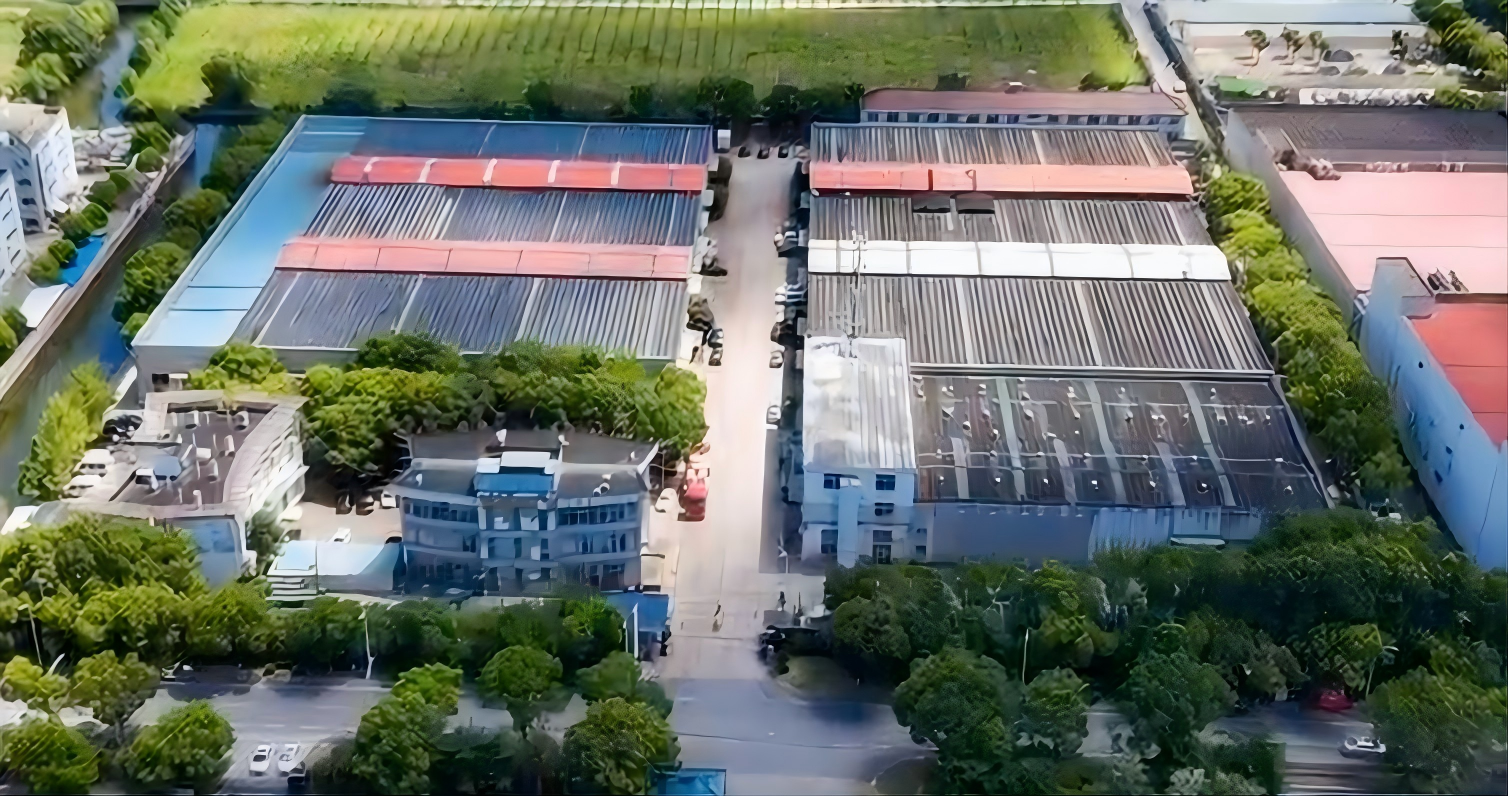
- Service Structure: Operates a maintenance center in Shanghai, offering spare parts, emergency repair, installation guidance, and training, supporting their mission to ensure customer long-term interests.
- Global Service: With headquarters in Shanghai and offices in several Chinese cities, they maintain a "Based in China, serve globally" approach.
For detailed specifications, potential buyers can visit their official website at www.bpstek.com or contact their sales team.
Practical Steps in the Procurement Process
- Define Requirements: Clearly document process parameters (temperature range, belt speed, product characteristics), required belt dimensions (width, length, thickness), and any special features (perforations, coatings, flights).
- Shortlist Suppliers: Use industry directories, trade shows, and peer recommendations to create a list of 3-5 potential suppliers. Evaluate their online presence, case studies, and certifications.
- Request for Quotation (RFQ): Provide your detailed specifications. Compare not only price but also warranty terms, delivery lead time, and scope of after-sales support.
- Due Diligence: Request customer references, especially from companies with similar applications. If feasible, arrange a factory audit to inspect manufacturing and quality control processes firsthand.
- Final Evaluation & Contract: Weigh all factors—technical solution, cost, reliability, and support. Ensure the contract clearly defines performance guarantees, payment terms, and service level agreements (SLAs).
Conclusion
Selecting a steel belt system supplier is a multifaceted decision. By rigorously evaluating technical capability, quality credentials, and the robustness of after-sales service, procurement professionals can mitigate risk and secure a partnership that delivers sustained value. Prioritize suppliers who act as solution partners, offering expertise that extends from initial consultation through the entire equipment lifecycle.
For further information on steel belt solutions, you may contact:
BPS/EPS (Biquick Process Systems)
Phone: +86-21-68904153 / +86-13916661495
Email: sales@bpstek.com | ken.feng@bpstek.com
Website: www.bpstek.com
Address: No.172 Xuanchun Road, Xuanqiao Town, Pudong New District, Shanghai, China