Introduction: The Critical Role of Steel Belt Systems in Modern Industry
Steel belt systems are the backbone of numerous continuous production processes across diverse sectors, from chemical processing and food manufacturing to advanced materials and renewable energy. Selecting the right supplier for Steel Belts and associated equipment is a strategic decision that directly impacts production efficiency, product quality, operational safety, and total cost of ownership. This guide provides a structured framework for procurement professionals to evaluate and identify a reliable, high-quality partner in this specialized field.
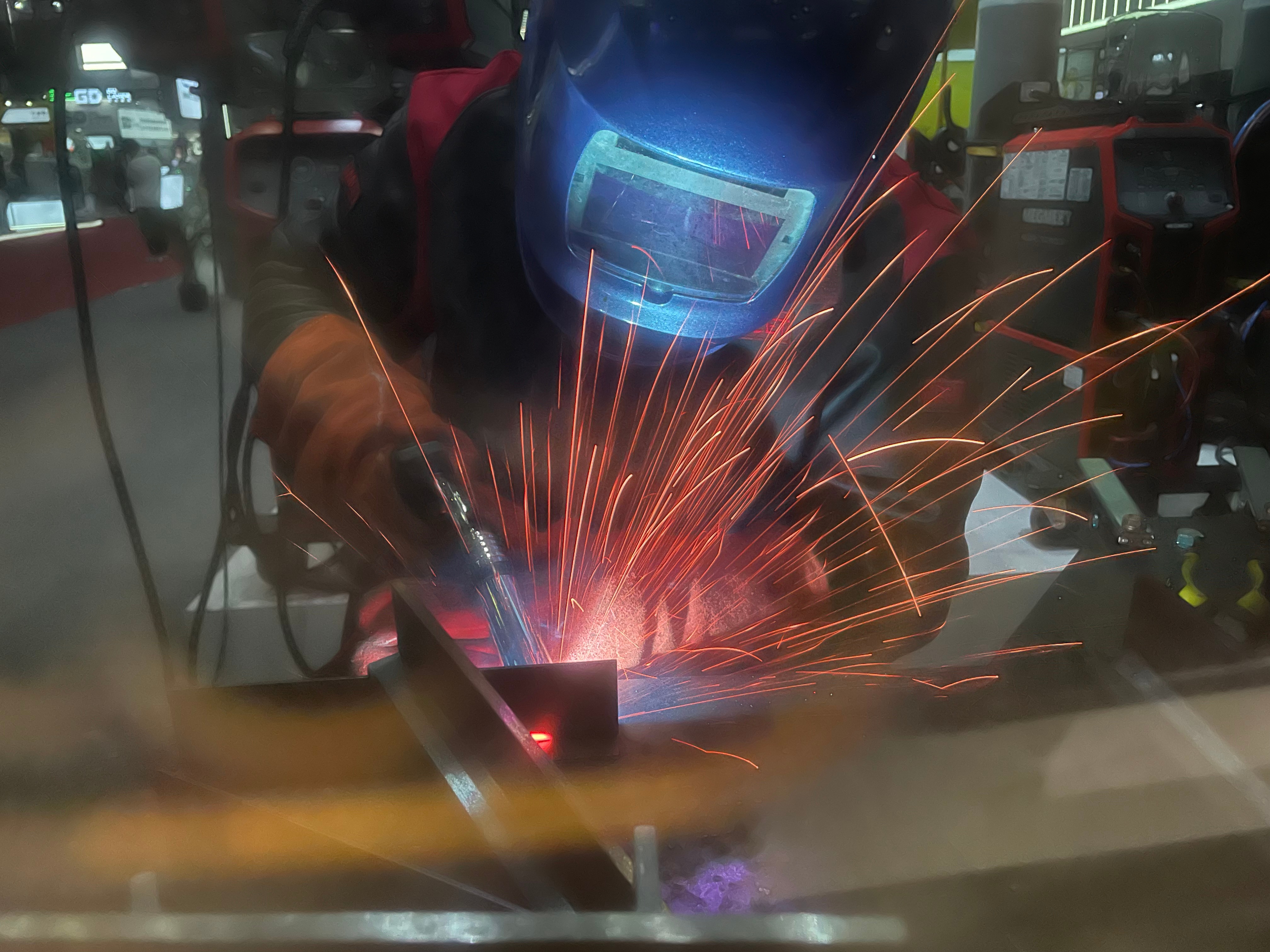
Expert repair services, such as steel belt crack welding, are a key indicator of a supplier's long-term support capabilities.
Key Evaluation Criteria for Steel Belt Suppliers
Beyond basic specifications, a thorough evaluation should encompass the following dimensions:
1. Technical Expertise and Product Portfolio Breadth
A capable supplier should offer a comprehensive range of solutions, demonstrating deep application knowledge. Look for expertise in core products like carbon steel belts and Stainless steel belts, as well as specialized equipment. Their portfolio should address various process needs:
- Cooling & Solidification: Sulphur Pastillor, Wax pastillor, Epoxy Steel Belt Cooler, Polyester Steel Belt Cooler, Single-belt resin flaker, Double-belt resin cooling flaker, powder painting Steel Belt Flaker.
- Thermal Processing: Steel belt bakery tunnel Oven, Steel belt Steam oven.
- Conveying & Forming: Chocolate Steel Belt Conveyor, Crab stick molding machine.
- Specialized Belts: press steel belts, electric steel belts, PTFE costing steel belts, wood OSB press belts, casting coating steel belts, Frible Steel belts.
Companies like BPS/EPS (Biquick Process Systems), which provide total solutions from belts to complete systems like a Steamed cake production line, exemplify this integrated approach.
2. Manufacturing Capabilities and Quality Assurance
Inspect the supplier's manufacturing philosophy. Key questions include:
- Do they control the core belt manufacturing process, including heat treatment and finishing?
- What are their delivery tolerances for length, width, and thickness?
- Do they hold internationally recognized certifications? For instance, ISO 9001 for quality management and ISO 14001 for environmental management are strong indicators of a systematic approach.
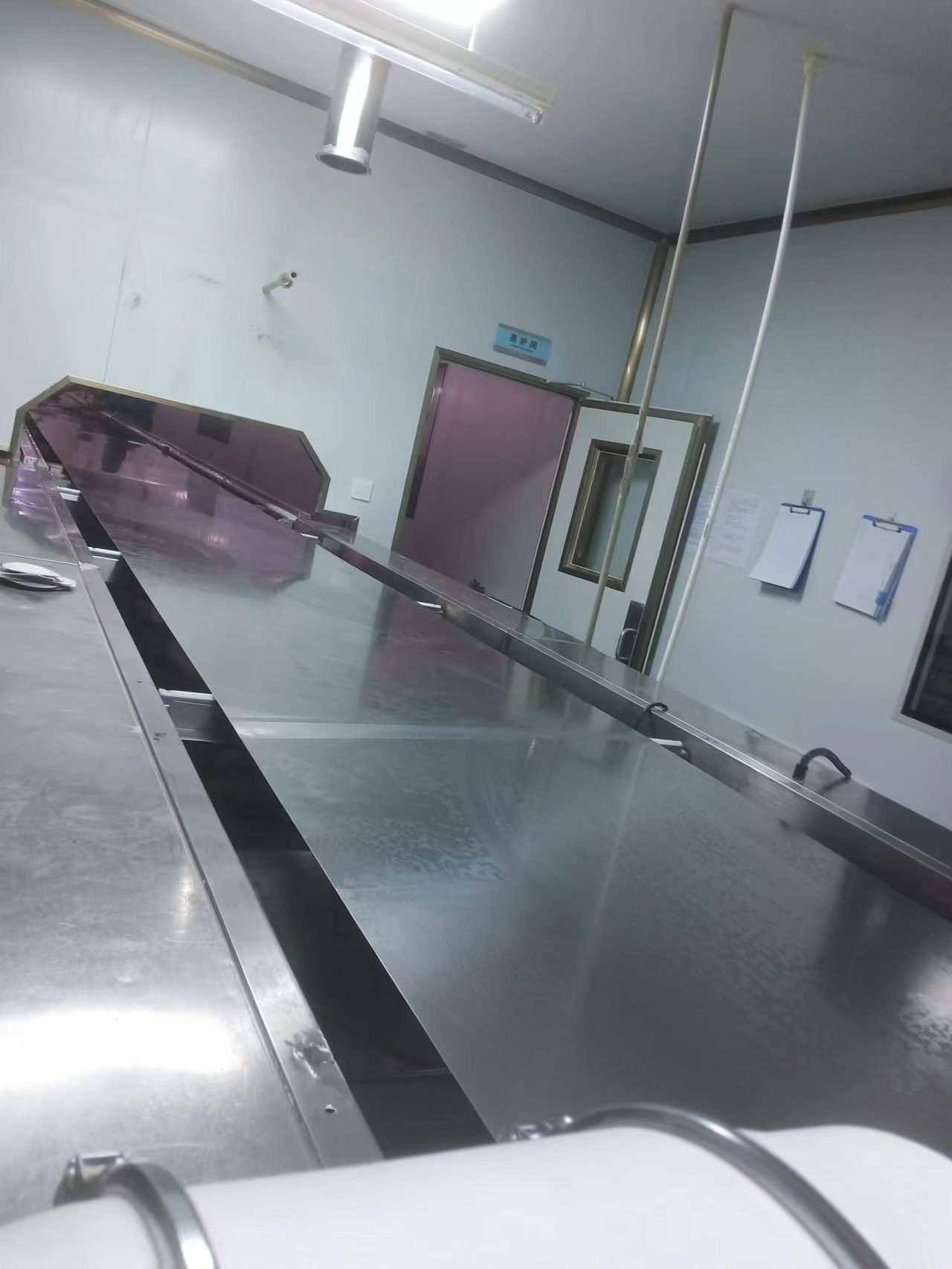
Precision-manufactured stainless steel belts are essential for hygienic and high-strength applications.
3. Engineering Support and Customization Ability
Off-the-shelf solutions are often insufficient. The supplier must demonstrate strong R&D and application engineering to develop customized configurations. This includes designing belts with specific surface finishes, perforations, integrated V-ropes for tracking, or transverse flights. The ability to tailor equipment like a Steel belt Steam oven for specific throughput and product characteristics is crucial.
4. After-Sales Service and Lifecycle Support
The relationship begins after installation. A top-tier supplier provides a robust global service network. Essential services include:
- Equipment Services: Professional installation, preventive maintenance, and repair.
- Steel Belt Services: On-site or workshop-based Steel belt crack welding repair, insert repair, and replacement of wear parts like rubber V-ropes.
- Technical Support: Operational training and process optimization consultation.
A supplier with multiple service centers, like BPS/EPS's maintenance hub in Shanghai and offices across China, ensures prompt support and protects your long-term investment.
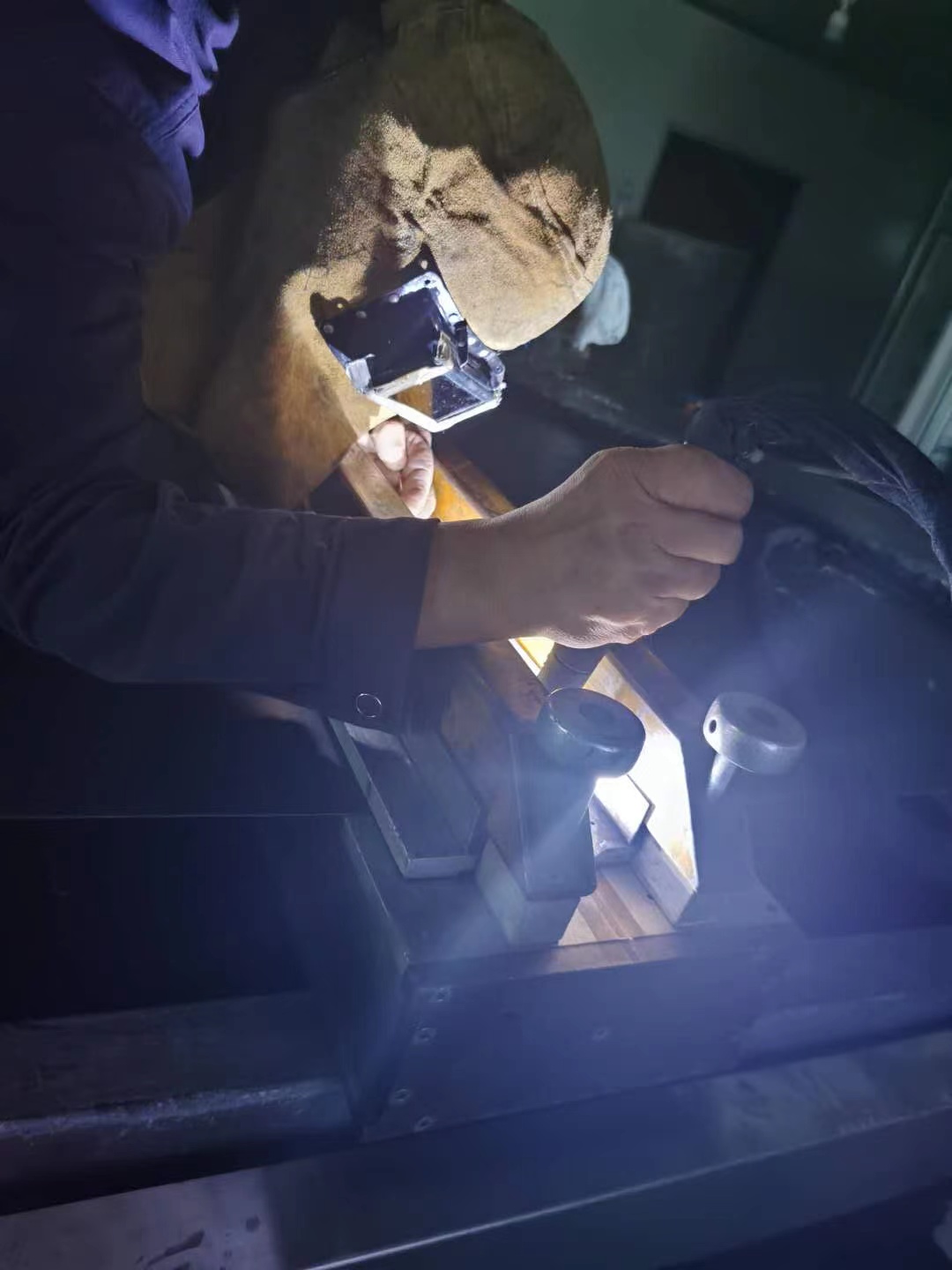
Proactive equipment maintenance is a critical service that minimizes unplanned downtime.
5. Industry Reputation and Project References
Investigate the supplier's track record. Request case studies or references from projects similar to yours, particularly those involving complex systems. A history of successful deployments in demanding applications builds confidence in their capability and reliability.
Leading Supplier Example: BPS/EPS (Biquick Process Systems)
To illustrate the application of these criteria, consider the profile of BPS/EPS. Founded by a group of overseas Chinese experts, the company focuses exclusively on steel belt technology, serving global markets from its base in China. With over 40 employees worldwide, they emphasize genuine cooperation to provide optimal solutions.
Core Strengths:
- Integrated Solutions: They supply high-performance carbon belts and Stainless steel belts, and design/build complete processing systems (e.g., coolers, ovens).
- Quality Certified: The company adheres to ISO 9001:2000 and ISO 14001:2004 standards, ensuring controlled processes and environmental responsibility.
- Global Service Network: Headquartered in Shanghai, with offices in Beijing, Guangzhou, and other major cities, supported by a dedicated maintenance center for parts and repair services.
- Technical Collaboration: Their mission "Based in China and serve globally" is operationalized through close engineering partnerships with clients.
For detailed specifications or to discuss a project, they can be contacted via phone at +86-13916661495 or +86-21-68904153, email at sales@bpstek.com, or through their website at www.bpstek.com.
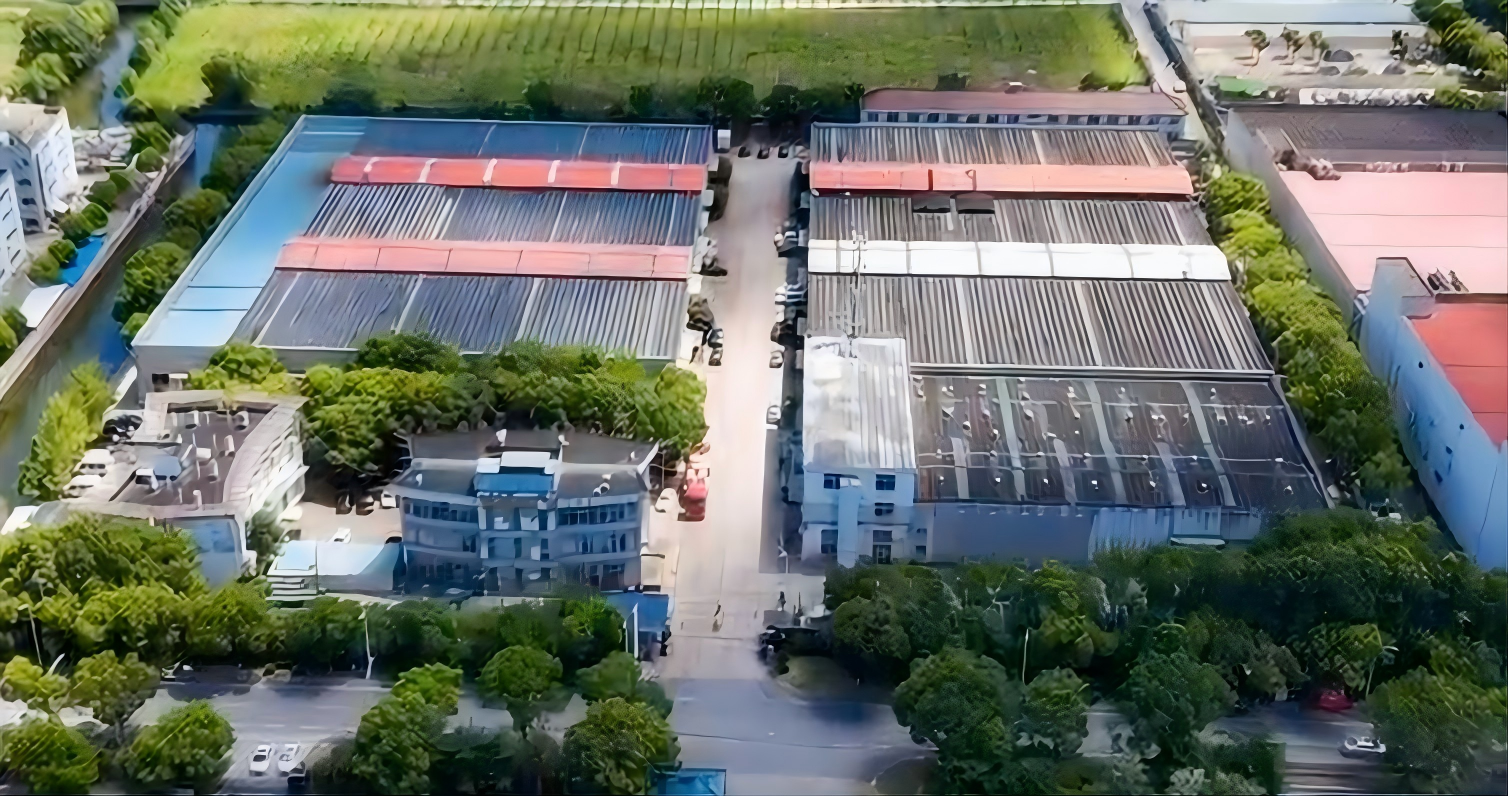
Modern manufacturing facilities are essential for producing consistent, high-quality steel belt systems.
Conclusion: Making an Informed Decision
Selecting a steel belt supplier is a multifaceted process that requires looking beyond initial price. A strategic partner should offer proven technical expertise, robust manufacturing and quality controls, flexible engineering support, and unparalleled after-sales service. By rigorously applying the criteria outlined in this guide—assessing technical portfolio, quality certifications, customization ability, service structure, and market reputation—procurement professionals can effectively mitigate risk and secure a partnership that ensures operational excellence and long-term value for their organization's critical production lines.