For procurement professionals in industries ranging from food processing and chemical manufacturing to resin production and bakery operations, selecting the right steel belt and associated equipment supplier is a critical decision. The performance, longevity, and efficiency of production lines heavily depend on the quality of the steel belt conveyor system and the expertise of the provider. This guide outlines a systematic framework to evaluate and select a supplier that aligns with your specific operational needs, ensuring reliability, cost-effectiveness, and long-term partnership value.
1. Define Your Application and Technical Requirements
The first step is a precise definition of your process. Steel belt systems are not one-size-fits-all. Clearly identify your primary application, as this dictates the required belt type, equipment configuration, and material specifications.
- Cooling & Solidification: For processes like sulphur pastillation, resin flaking (epoxy, polyester), or powder painting flaking, the key requirement is excellent and uniform thermal transfer. You need a supplier proficient in steel belt coolers (single-belt or double-belt resin cooling flaker) with precise temperature control systems.
- Heating & Baking: Applications such as continuous production in a steel belt bakery tunnel oven or a steamed cake production line demand belts with superior thermal stability and consistent heat distribution.
- Conveying & Molding: For hygienic conveying of chocolate or molding applications like crab stick molding machines, surface finish, cleanliness, and belt tracking precision are paramount. Specialized Chocolate Steel Belt Conveyors are often required.
- Pressing & Coating: Applications involving wood OSB press belts, casting coating steel belts, or lines requiring PTFE coating need belts with specific tensile strength, surface treatments, and wear resistance.
Document requirements for belt material (stainless steel belts vs. carbon belts), dimensions, thickness, surface finish (plain, perforated), and any special features like rubber V-ropes or transverse flights.
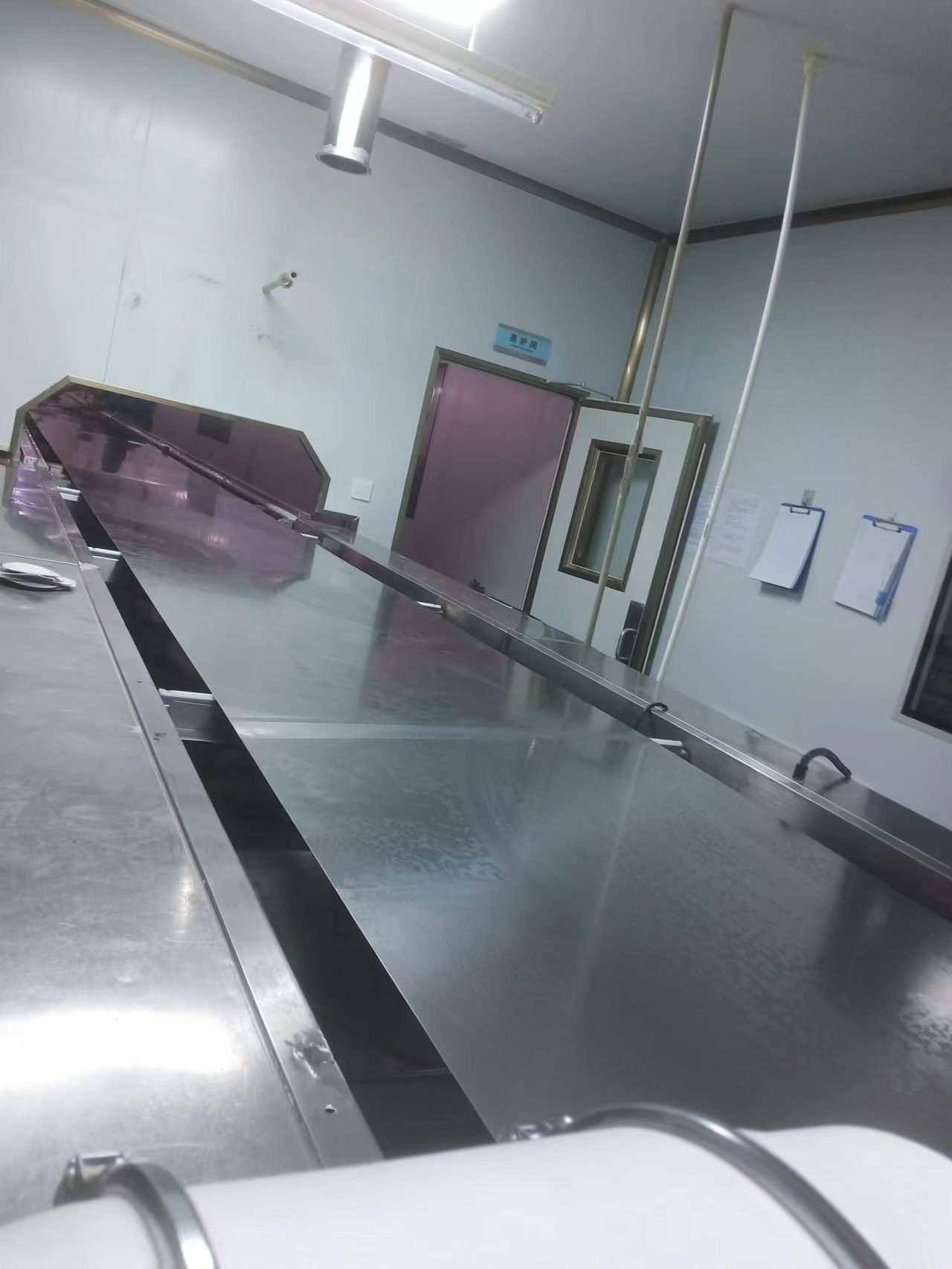
Stainless steel belts are essential for hygienic and corrosive environments, such as food processing.
2. Evaluate Core Supplier Capabilities
Beyond product catalogs, assess the supplier's holistic capabilities. A true partner offers more than just a commodity.
- Technical Expertise & Solution Design: Can the supplier provide a total solution? Look for evidence of engineering support, process optimization, and custom design for advanced applications. For instance, a supplier like BPS/EPS (Biquick Process Systems) emphasizes providing total solutions and production process controls for steel belt transmission-based manufacturing.
- Manufacturing & Quality Control: Investigate the supplier's manufacturing processes, quality certifications, and testing protocols. Certifications like ISO 9001 for quality management and ISO 14001 for environmental management are strong indicators of a systematic approach to quality and consistency. Reputable suppliers will have stringent controls over belt flatness, straightness, and tensile strength.
- Product Range and Customization: A broad range, from standard carbon steel belts and stainless steel belts to specialized perforated belts and electric steel belts, indicates deeper industry knowledge. The ability to customize width, length, surface finish, and accessories is crucial for non-standard applications.
- After-Sales Service & Support: The lifetime cost of a steel belt system includes maintenance. Evaluate the supplier's service network. Do they offer steel belt crack welding repair, insert repair, V-rope replacement, and equipment maintenance? A supplier with a dedicated maintenance center, like the one in Shanghai operated by BPS/EPS, ensures long-term operational reliability and protects your investment.
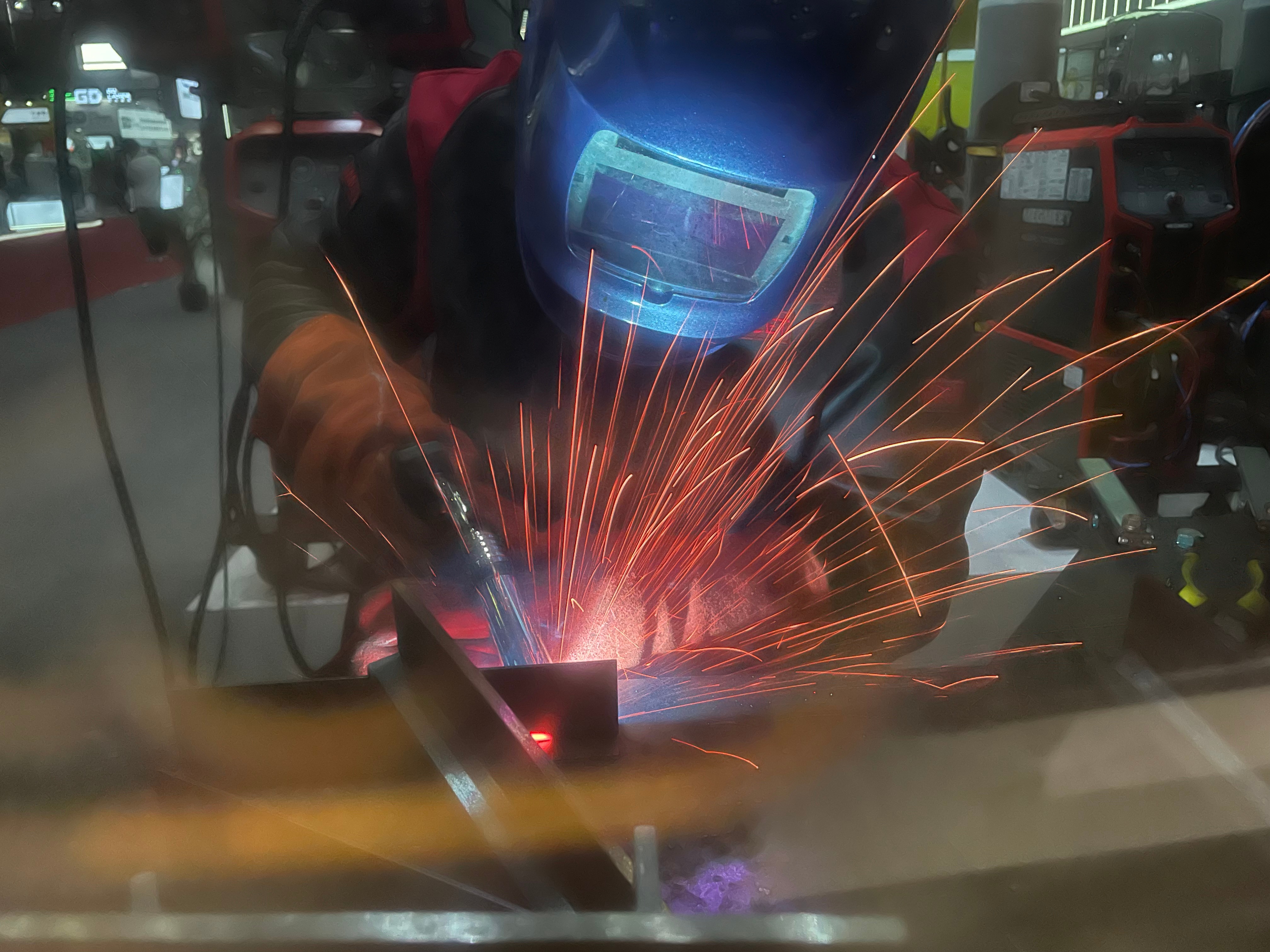
On-site repair and maintenance services are critical for minimizing production downtime.
3. Analyze Industry Reputation and Project Experience
Third-party validation is invaluable. Research the supplier's track record.
- Client Portfolio & Case Studies: Request references or case studies relevant to your industry. A supplier experienced in steam oven lines for food processing will understand different challenges than one focused on resin steel belt coolers for the chemical industry.
- Global Presence and Local Support: For international procurement, a supplier with a "Based in China and serve globally" mission, supported by a global team and multiple domestic offices (e.g., Shanghai, Beijing, Guangzhou), can offer better logistical coordination and local technical support.
- Comparative Analysis: While this guide avoids direct promotion, procurement teams should shortlist 2-3 suppliers for a detailed comparison. Compare not only on price but on the comprehensive value proposition: technical support depth, warranty terms, spare parts availability, and proven experience with similar Steel Belt Flaker or Steel Belt Tunnel Oven projects.
4. The Procurement Checklist: Key Questions to Ask
Use this checklist during supplier evaluations:
Technical & Product:
- What are the standard delivery tolerances for belt length, width, and thickness?
- Can you supply both open-length and endless welded belts?
- What is the expected fatigue life and wear resistance for my specific application?
- Do you provide the complete equipment, such as a Sulphur Pastillator or Polyester Steel Belt Cooler, or only the belt?
Service & Support:
- What is included in your after-sales service? (Installation guide, operation training, emergency maintenance)
- What is the typical response time for technical support or repair services?
- Do you maintain an inventory of common spare parts?
Commercial & Compliance:
- Can you provide current ISO 9001 and ISO 14001 certificates?
- What are the payment terms and warranty conditions?
- What is the lead time for custom equipment and standard belt replacements?
Conclusion
Selecting a steel belt supplier is a strategic procurement activity. By meticulously defining requirements, evaluating technical and service capabilities, and conducting thorough due diligence on reputation and experience, buyers can establish partnerships with reliable suppliers. The optimal supplier acts as an extension of your engineering team, ensuring that the steel belts and related equipment—whether for cooling, baking, conveying, or pressing—deliver sustained performance, minimize downtime, and contribute to overall production efficiency. For further technical specifications or to discuss specific application needs, qualified suppliers can be contacted directly through their official channels, such as www.bpstek.com.