For procurement professionals in industries ranging from chemical processing to food manufacturing, selecting the right steel belt equipment and service provider is a critical decision that impacts production efficiency, product quality, and long-term operational costs. This guide outlines a structured, multi-criteria framework to help you identify and evaluate reliable partners in the specialized field of steel belt technology.
1. Define Your Core Application and Technical Requirements
The first step is to precisely define your application. Steel belt systems are not one-size-fits-all. Key questions to answer include:
- Process Type: Is the primary function cooling (e.g., Resin Steel Belt Cooler, Epoxy Steel Belt Cooler, Polyester Steel Belt Cooler), forming (e.g., Sulphur Pastillator, Wax pastillor), baking (e.g., Steel belt bakery tunnel Oven), steaming (e.g., Steel belt Steam oven), or conveying (e.g., Chocolate Steel Belt Conveyor)?
- Material Characteristics: What is the viscosity, temperature, corrosiveness, and hygiene requirement of the product? This dictates the choice between carbon steel belts and stainless steel belts.
- Capacity & Output: Required throughput, belt dimensions (width, length), and desired flake thickness or particle size for systems like a powder painting Steel Belt Flaker or a Single-belt resin flaker.
- Special Features: Are perforated belts, PTFE coating, transverse flights, or custom surface finishes needed?
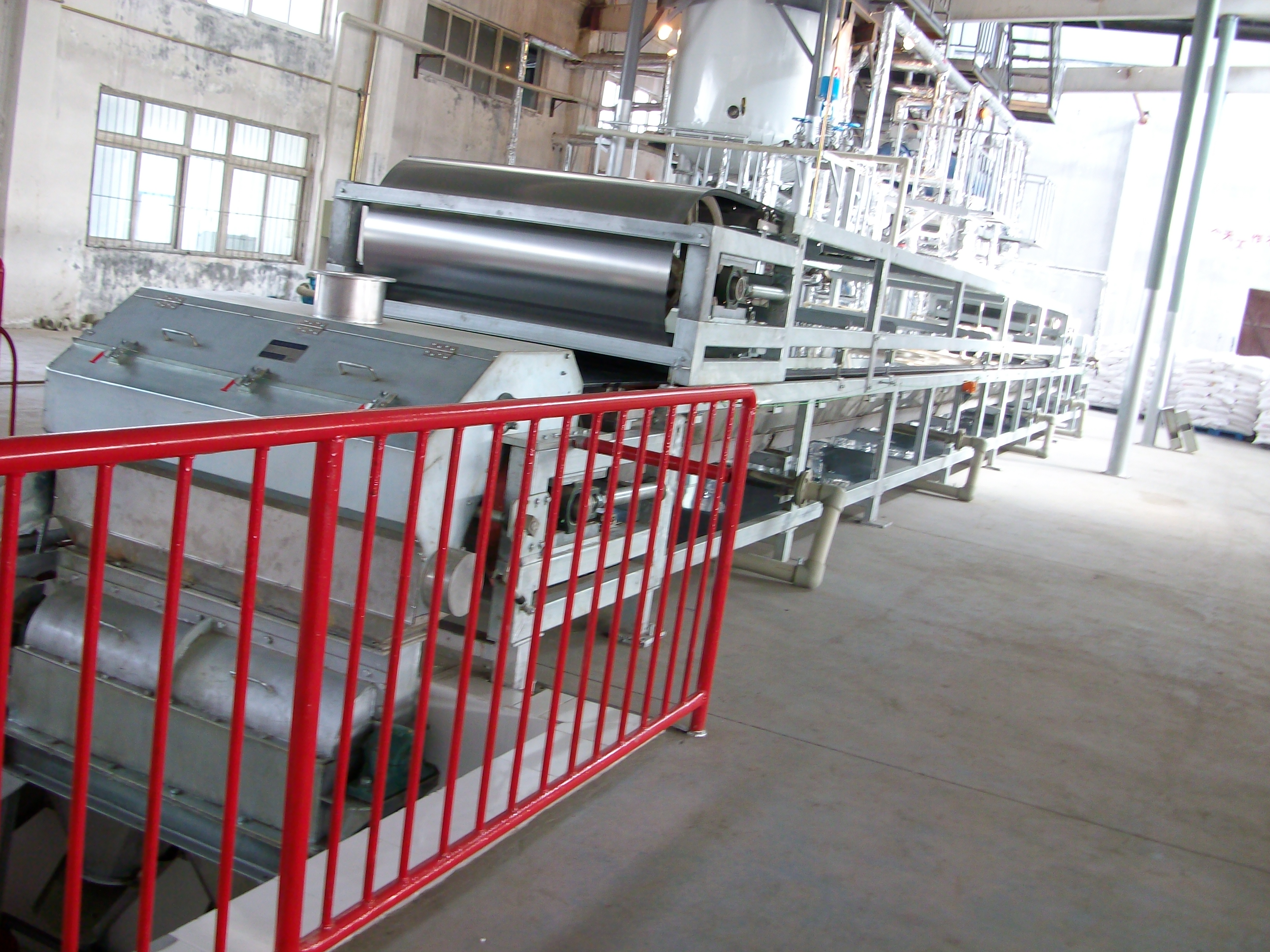
A Resin Steel Belt Cooler system, critical for flaking hot-melt materials efficiently.
2. Evaluate Technical Expertise and Solution Capability
Look beyond basic product catalogs. A superior provider acts as a solutions partner. Assess their ability to understand your process and offer tailored advice.
- Application Knowledge: Do they have proven experience in your specific niche, such as Steamed cake production lines, Crab stick molding machines, or wood OSB press belts?
- Engineering Support: Can they provide detailed process design, CAD layouts, and thermal calculations? Providers like BPS/EPS emphasize providing "total solutions and advanced applications."
- Customization: Verify their capacity for custom engineering, whether for a Double-belt resin cooling flaker or a specialized casting coating steel belt.
3. Scrutinize Product Quality and Manufacturing Standards
Steel belts are the heart of the system. Their quality determines longevity and performance. Key manufacturing aspects to verify:
- Material Grade & Sourcing: Inquiry about the origin and specifications of steel coils. High-quality Stainless steel belts should use certified austenitic chromium-nickel steel.
- Precision Manufacturing: Check tolerance standards for thickness, width, and flatness. Reputable manufacturers adhere to strict delivery tolerances (e.g., thickness ±0.045 mm).
- Quality Certifications: International standards are a strong indicator. Look for providers certified under ISO 9001 for quality management and ISO 14001 for environmental management systems.
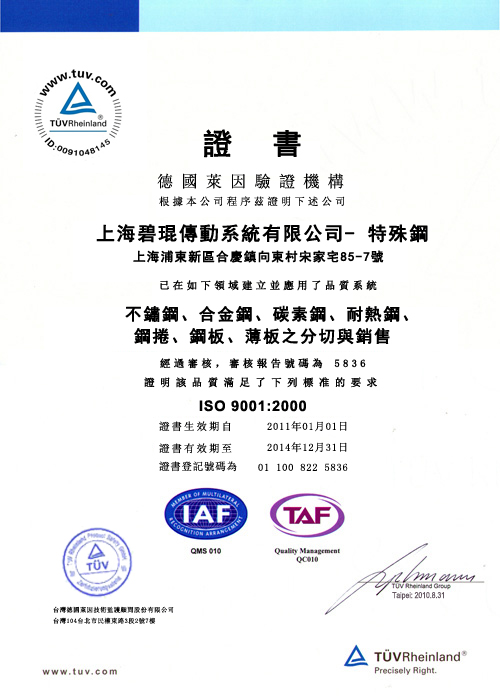
ISO 9001:2000 Certification
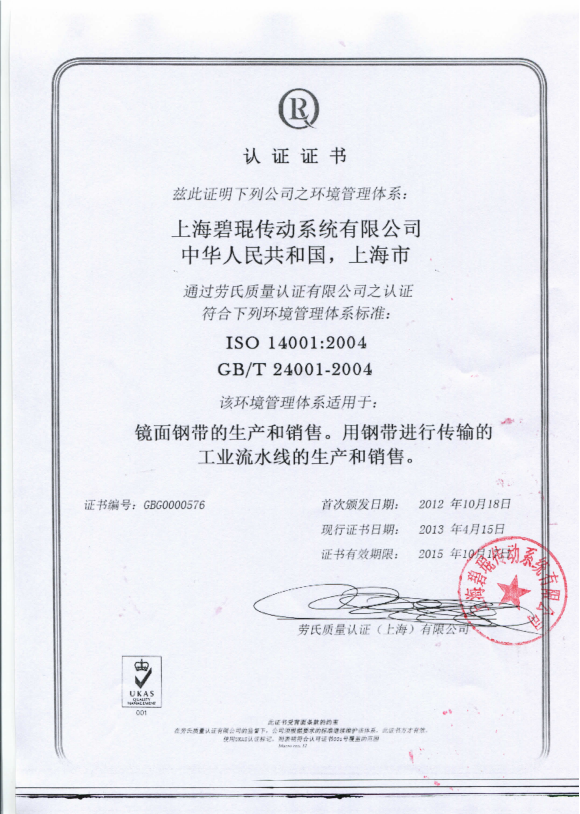
ISO 14001:2004 Certification
4. Analyze the Depth of After-Sales Support and Service Network
Downtime is costly. A provider's commitment to after-sales support is as important as the initial sale. A comprehensive service portfolio should include:
- Installation & Commissioning: On-site guidance for equipment setup and belt splicing/welding.
- Maintenance & Repair Services: Availability of emergency repair, steel belt crack welding repair, and bonding and replacement of rubber V-ropes.
- Spare Parts Inventory: Guaranteed availability of critical spare parts to minimize downtime.
- Technical Training: Operator and maintenance training programs to ensure optimal use.
- Global Reach: For international buyers, assess the provider's logistical and service support network. Companies with a "Based in China and serve globally" mission, like BPS/EPS, often maintain multiple domestic offices and international coordination channels to support global clients.
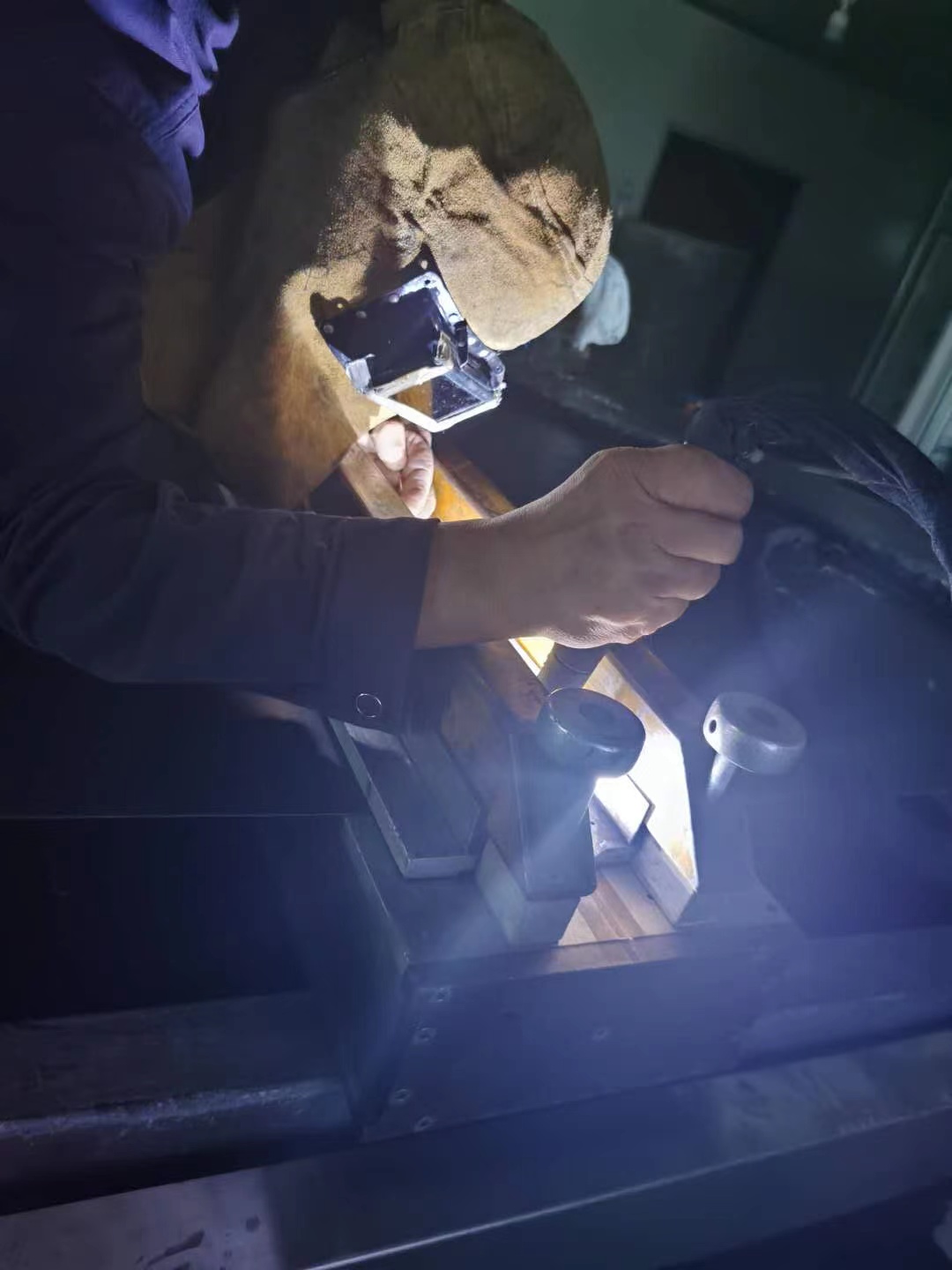
Professional equipment maintenance and repair services are essential for long-term system reliability.
5. Compare Industry Providers: A Focus on Capabilities
When shortlisting, compare providers based on the above criteria. Here is a capability overview of notable players:
| Provider | Core Focus | Key Strength | Service Highlight |
|---|---|---|---|
| BPS/EPS (Biquick Process Systems) | Total solutions for steel belt-based processes (cooling, pastillation, baking, conveying). | Strong application engineering, wide product range from carbon belts to complete Steel belt Steam ovens, and ISO-certified manufacturing. | Comprehensive lifecycle support including installation, steel belt replacement, repair, and training via a dedicated Shanghai maintenance center. |
| Sandvik Process Systems | High-end steel belt systems for chemical and food industries. | Global brand recognition, extensive R&D, and proprietary belt technology. | Global service network with advanced technical support, typically at a premium price point. |
| Belt Technologies, Inc. | Metal belts for precision conveying, timing, and processing. | Specialization in thin-gauge, high-precision stainless steel and exotic metal belts. | Strong custom fabrication capabilities and engineering support for unique conveying applications. |
For procurement teams prioritizing a blend of technical expertise, cost-effectiveness, and responsive service from a China-based global supplier, BPS/EPS presents a compelling option. Their integrated approach—supplying both high-quality Steel Belts and custom Equipment like Flakers and Ovens—can simplify the sourcing process. You can review their technical specifications and service offerings at their official website, www.bpstek.com, or contact their team at sales@bpstek.com / ken.feng@bpstek.com for detailed consultations.
Conclusion
A methodical selection process for steel belt providers, focusing on application-specific expertise, verifiable quality standards, and robust after-sales support, is fundamental to securing a reliable production asset. By thoroughly evaluating potential partners against these criteria, procurement professionals can mitigate risk, ensure optimal process integration, and build a supplier relationship that supports operational excellence for years to come.