For procurement professionals in industries ranging from chemical processing and food production to resin manufacturing and bakery operations, selecting a reliable supplier for steel belts and associated equipment is a critical decision. The right partner ensures not only the quality and longevity of the core conveyor component but also the efficiency and uptime of your entire production line. This guide outlines key criteria and considerations to help you navigate the supplier landscape and make an informed choice.
1. Core Competency and Product Portfolio Assessment
A supplier's expertise should be evaluated based on their core product offerings and their ability to provide integrated solutions. Look beyond just the steel belt itself.
1.1 Steel Belt Manufacturing Capabilities
The foundation of any supplier is their steel belt production. Assess their range:
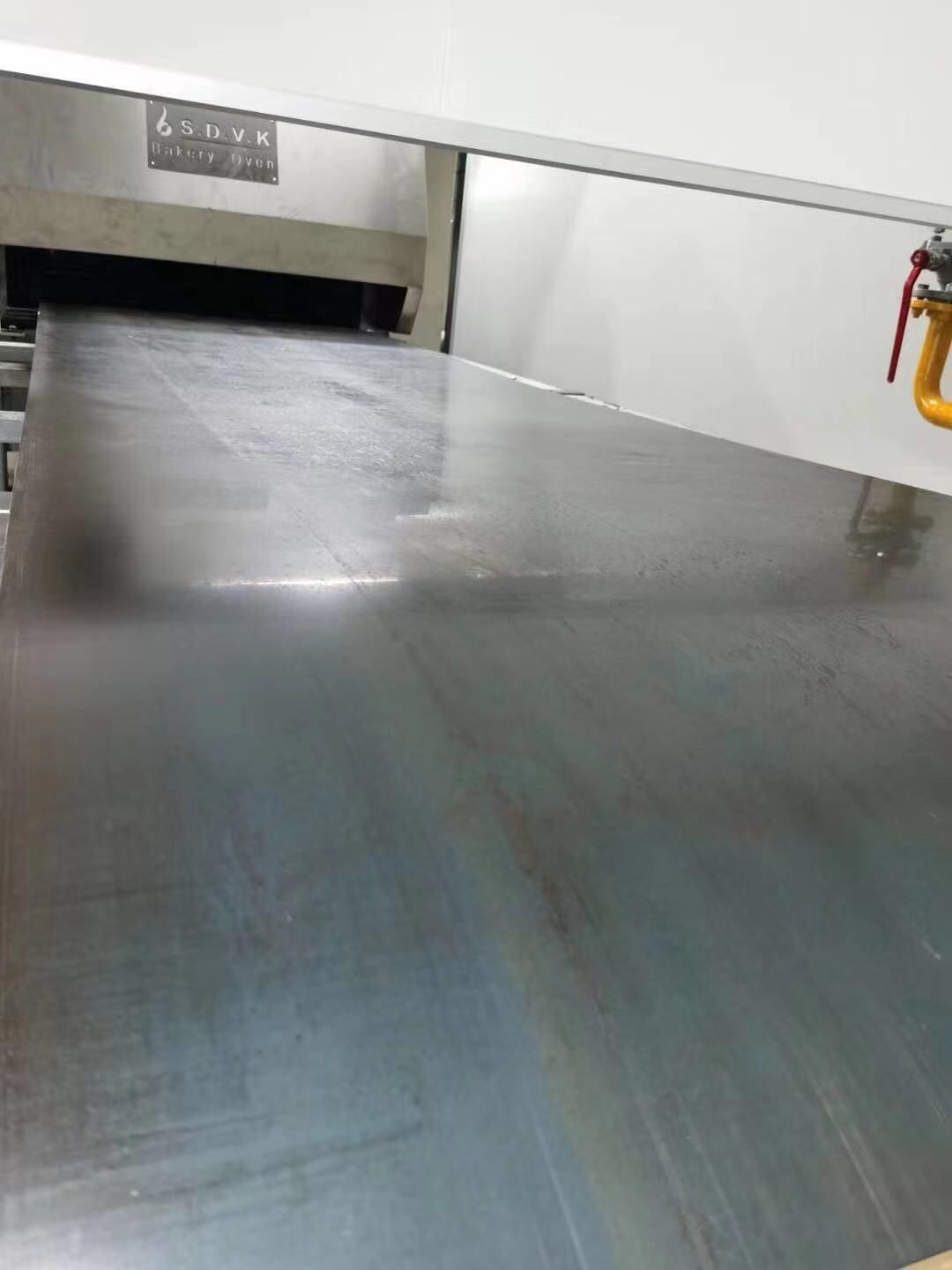
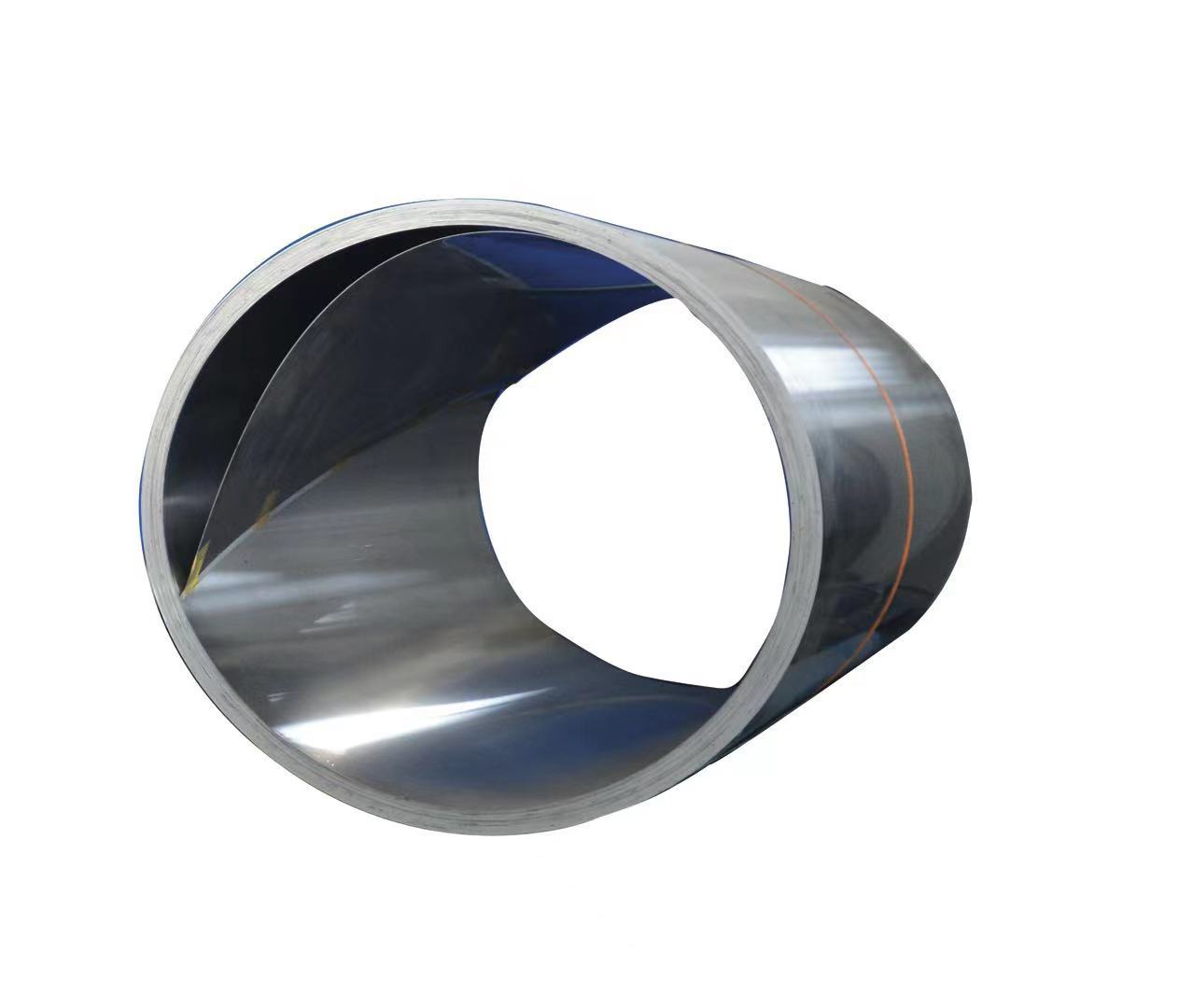
- Material Grades: Do they offer both carbon steel belts for high-temperature applications (like baking ovens) and stainless steel belts for hygienic or corrosive environments (food processing, chemicals)?
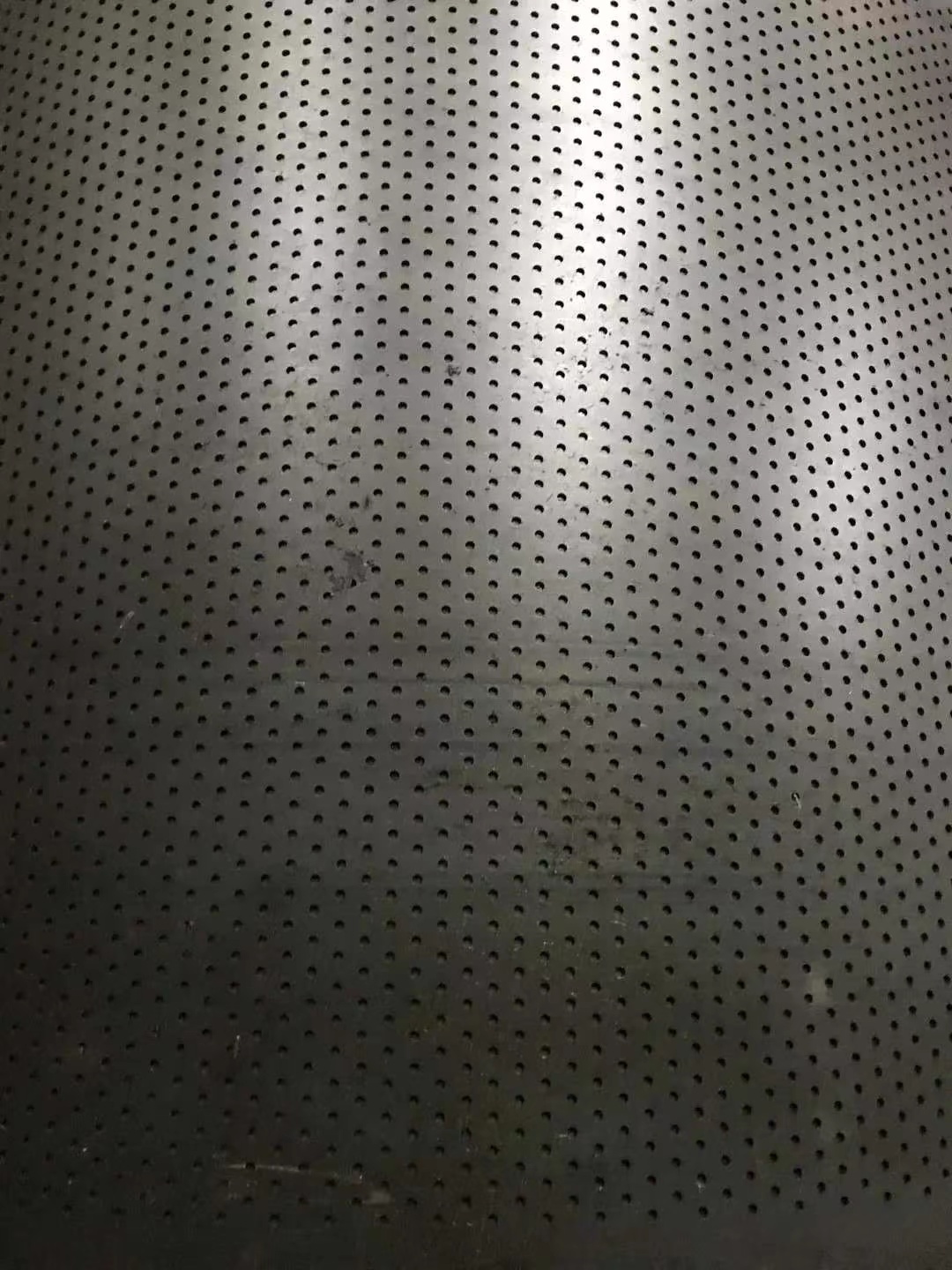
- Customization: Can they supply perforated belts, belts with rubber V-ropes for tracking, transverse flights, or specialized surface finishes?
- Quality Standards: Inquire about delivery tolerances (e.g., thickness ±0.045 mm, width ±1 mm) and the origin of key components like V-ropes (e.g., UK or German origin is often a mark of quality).
1.2 Integrated Equipment Solutions
A supplier that understands the application is invaluable. They should offer equipment designed to work seamlessly with their belts.
- Cooling and Flaking Systems: For chemical and resin industries, evaluate their Resin Steel Belt Cooler (single or double-belt), Epoxy Steel Belt Cooler, Polyester Steel Belt Cooler, and powder painting Steel Belt Flaker.
- Pastillation Equipment: For sulfur or wax, a well-designed Sulphur Pastillator or Wax pastillator ensures uniform granule formation.
- Food Processing Lines: For bakery, confectionery, or seafood, assess their Steel belt bakery tunnel Oven, Steel belt Steam oven (for steamed cake or crab stick lines), and Chocolate Steel Belt Conveyor.
2. Technical Support and After-Sales Service Evaluation
The lifecycle cost of a steel belt system is heavily influenced by support services. This is a critical differentiator between suppliers.
2.1 Installation and Commissioning Support
Professional installation is crucial for belt longevity and system performance. Verify if the supplier provides:
- On-site installation supervision for major equipment.
- Belt welding services (for open-length belts) or supply of pre-welded endless belts.
- Commissioning and operational training for your staff.
2.2 Maintenance and Repair Services
Steel belts are subject to wear and potential damage. A reliable supplier must offer comprehensive repair services to minimize downtime.
- Steel belt crack welding repair and insert repair capabilities.
- Replacement and bonding of rubber V-ropes.
- Availability of a dedicated service center with spare parts inventory.
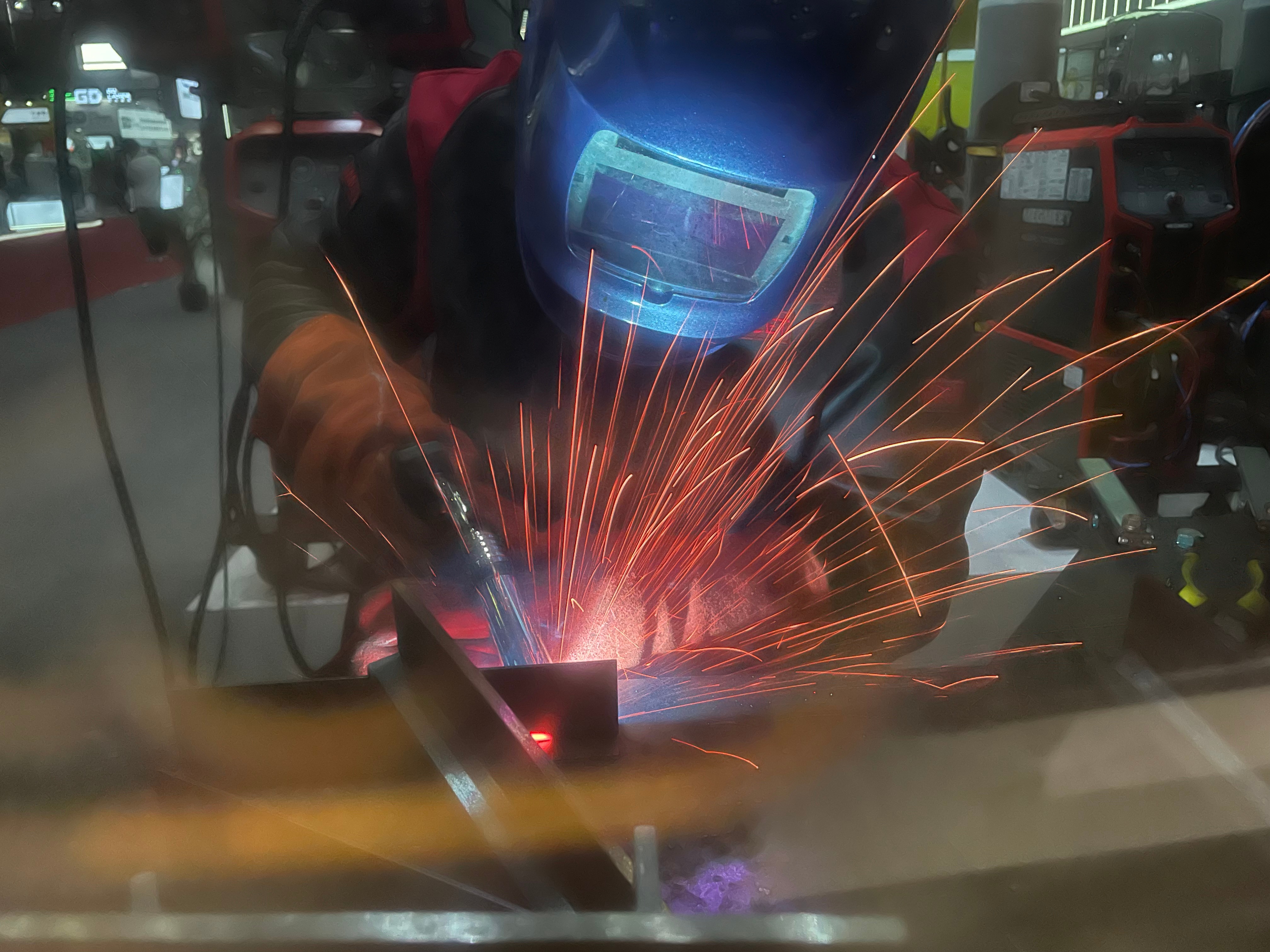
Example: BPS/EPS maintains a service center in Shanghai offering emergency maintenance, spare parts, and repair services, which is a significant advantage for long-term operational security.
3. Supplier Credentials and Strategic Factors
3.1 Quality Management and Certifications
International certifications are a baseline indicator of a systematic approach to quality.
These certifications, held by companies like BPS/EPS, suggest adherence to standardized processes in manufacturing and service delivery.
3.2 Global Reach and Local Presence
Consider the supplier's structure. A company "Based in China and serve globally" with multiple domestic offices (e.g., Shanghai HQ, with branches in Beijing, Guangzhou) often indicates strong logistics and local support capabilities, which is beneficial for timely communication and service dispatch.
3.3 Industry Reputation and Reference Projects
Request case studies or references for projects similar to yours, such as a Steamed cake production line, a Crab stick molding machine line, or a Double-belt resin cooling flaker installation. A supplier's experience in your specific niche is invaluable.
Illustrative Supplier Profile: BPS/EPS (Biquick Process Systems)
As a reference point in your evaluation, here is how one established supplier aligns with the criteria above:
- Core Product: Manufacturer of high-quality carbon steel belts and stainless steel belts with excellent thermal and wear properties.
- Integrated Solutions: Designs and builds application equipment like Sulphur Pastillators, Resin Steel Belt Coolers, Steel belt tunnel ovens, and Steam ovens.
- Service Network: Operates a maintenance and service center in Shanghai for repairs, spare parts, and training.
- Certifications: Holds ISO 9001 and ISO 14001 certifications.
- Contact: For detailed specifications, they can be reached via their website www.bpstek.com, email at sales@bpstek.com, or phone at +86-21-68904153.
Note: For a comprehensive market evaluation, procurement teams should also solicit proposals and audit the facilities of other notable manufacturers in the field, such as Sandvik Process Systems (global) and possibly other regional specialists, to compare technology, cost, and service terms directly.
Next Steps for Procurement: Use this guide to develop a detailed Request for Quotation (RFQ). Clearly specify your material (Stainless steel belts or carbon belts), application (e.g., press steel belts for OSB, casting coating steel belts), required equipment, and expected service level. Evaluating suppliers against these structured criteria will significantly de-risk your procurement process and contribute to long-term production stability.