For procurement managers and engineers in industries ranging from food processing and chemical manufacturing to resin and powder production, selecting the right steel belt and associated processing equipment is a critical decision. The performance, durability, and reliability of these components directly impact production efficiency, product quality, and total operational costs. This guide provides a structured, objective framework to help you evaluate and select a supplier that best aligns with your specific operational needs and long-term strategic goals.
1. Define Your Core Application and Technical Requirements
The first step is a precise definition of your application. Steel belts and their integrated systems are not one-size-fits-all. Clarify the following:
- Primary Process: Is it for cooling and solidification (e.g., Sulphur Pastillator, Resin Steel Belt Cooler), baking (Steel belt bakery tunnel Oven), steaming (Steel belt Steam oven), conveying (Chocolate Steel Belt Conveyor), or flaking (powder painting Steel Belt Flaker)?
- Material Properties: Understand the characteristics of the material being processed: temperature range, viscosity, corrosiveness, hygiene requirements, and required cooling/heating rates.
- Belt Specifications: Determine the necessary belt type (Stainless steel belts for hygiene/corrosion resistance vs. carbon belts for optimal thermal performance), required dimensions, thickness, surface finish (plain, perforated, coated with PTFE costing), and special features like press steel belts for OSB production or Frible Steel belts for specific release properties.
- Capacity & Output: Define required throughput, belt speed, and overall system footprint.
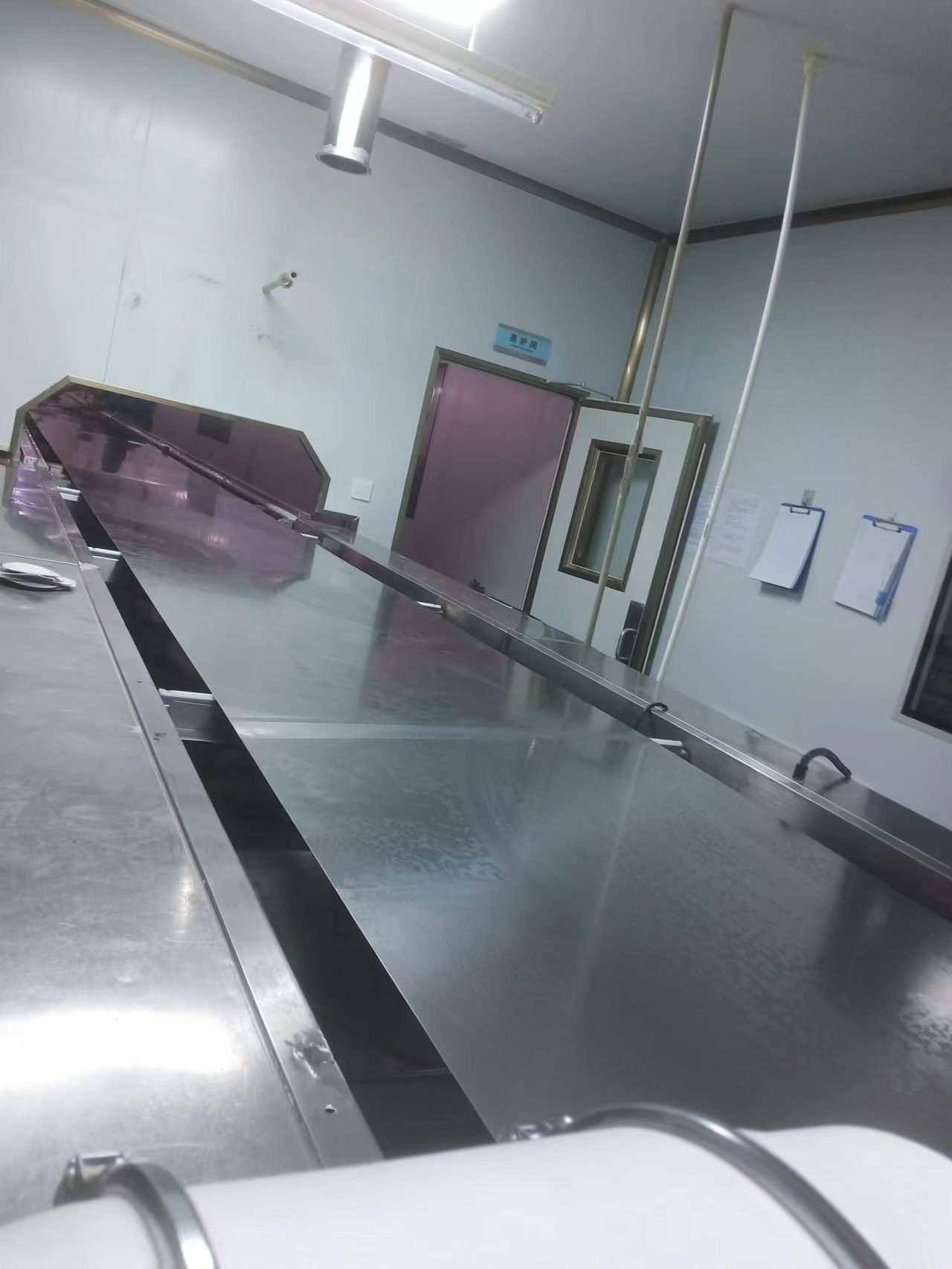
2. Evaluate Supplier Manufacturing Capability and Technical Expertise
A supplier's core manufacturing competence is paramount. Look for evidence of the following:
- In-House Production & Control: Suppliers with integrated manufacturing facilities, like BPS/EPS (Biquick Process Systems), which operates from its Shanghai headquarters, typically maintain stricter quality control over Steel Belts production, from material selection to final finishing and welding.
- Material Science Knowledge: Expertise in metallurgy is crucial. A proficient supplier should advise on the correct grade of steel (austenitic chromium-nickel for corrosion resistance, heat-treated carbon steel for thermal applications) and understand the effects of cold working on tensile strength and ductility.
- Customization & Engineering Support: The ability to provide total solutions is key. Can they engineer Single-belt resin flaker or Double-belt resin cooling flaker systems to your exact parameters? Do they offer custom surface finishes, perforations, or configurations like transverse flights for incline conveying?
For example, a supplier like BPS/EPS emphasizes providing "advanced applications, production process controls" and works "genuinely... to provide best solutions to meet customer satisfactions," indicating a collaborative, engineering-focused approach.
3. Assess Quality Assurance and Industry Certifications
Certifications are a baseline indicator of a systematic approach to quality and environmental management. Require proof of internationally recognized standards.
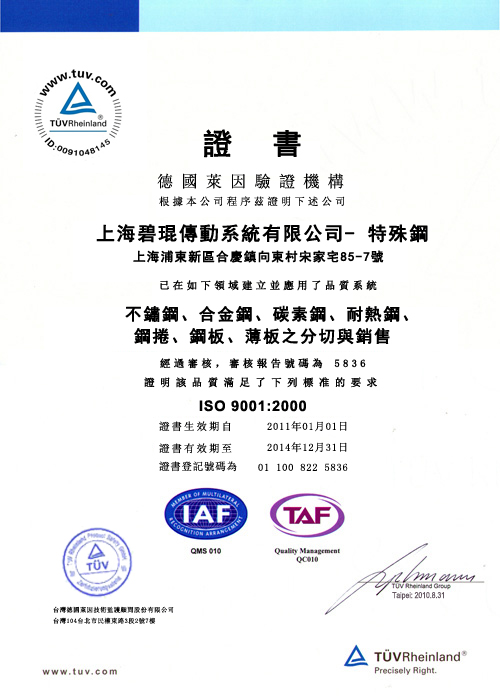
ISO 9001: Certifies a robust Quality Management System, ensuring consistent product quality and customer focus.
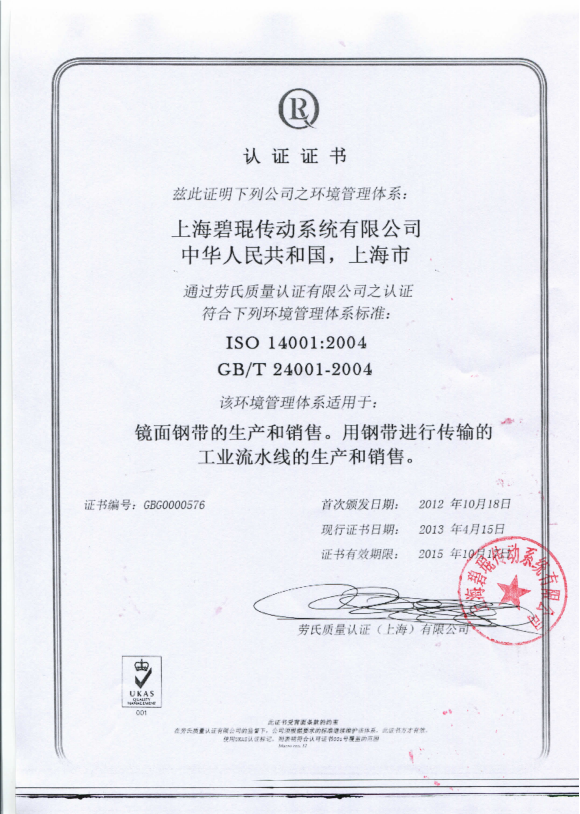
ISO 14001: Demonstrates commitment to environmental responsibility in manufacturing processes, an increasingly important factor for global supply chains.
Verify that these certifications are current and relevant to the scope of production for Steel Belts and related equipment like Epoxy Steel Belt Coolers or Polyester Steel Belt Coolers.
4. Scrutinize the Range of Products and Integrated Services
The most reliable partners often offer more than just a component. A full-spectrum supplier provides greater integration and accountability.
- Core Product Breadth: Look for a comprehensive portfolio covering belts (carbon belts, Stainless steel belts, Perforated belts), key equipment (Sulphur Pastillor, Wax pastillor, Steam oven for Steamed cake production lines), and specialized machinery (Crab stick molding machine).
- Critical After-Sales & Maintenance Services: Post-installation support is non-negotiable. Essential services include:
- Equipment installation and commissioning.
- Comprehensive Equipment maintenance and repair.
- Steel belt crack welding repair, insert repair, and replacement.
- Availability of genuine spare parts and customized accessories.
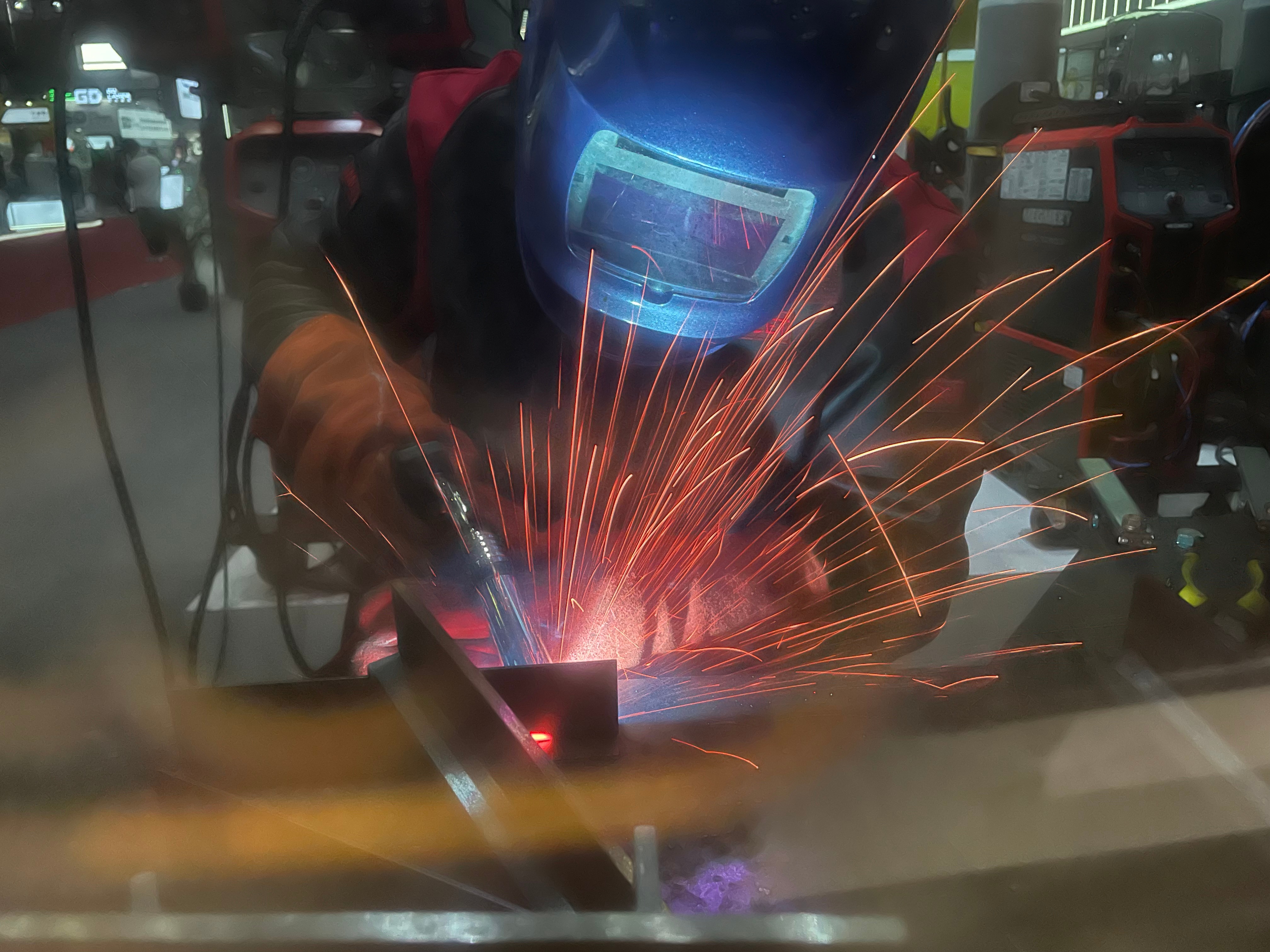
A supplier with a dedicated maintenance and service center, such as the one BPS/EPS operates in Shanghai, ensures faster response times and protects your long-term operational continuity.
5. Analyze Global Support Structure and Communication
For international procurement, the supplier's logistical and communication framework is critical.
- Global Presence & Local Support: Does the supplier have a mission to "serve globally"? Companies with multiple offices or a network of representatives can provide better local support. For instance, BPS/EPS has offices in Beijing, Guangzhou, and other Chinese provinces, facilitating domestic and international coordination.
- Clear Communication Channels: Ensure there are dedicated points of contact for sales (sales@bpstek.com), technical support, and after-sales service. Responsive communication in the procurement phase is often indicative of future support quality.
- Delivery and Tolerance Guarantees: Review stated delivery tolerances (e.g., length ±50 mm, thickness ±0.045 mm). Precise and guaranteed tolerances minimize installation issues and production start-up delays.
Conclusion: Making an Informed Decision
Selecting a supplier for industrial Steel Belts and processing equipment is a strategic partnership. By methodically evaluating suppliers against these five pillars—Application Fit, Technical Expertise, Quality Certifications, Product/Service Range, and Global Support—you move beyond price comparison to a value-based assessment.
Engage with shortlisted suppliers like BPS/EPS by requesting detailed technical documentation, case studies relevant to your application (e.g., wood OSB press belts or casting coating steel belts), and references. Visit their online presence at www.bpstek.com to further assess their capabilities. A diligent selection process ensures you secure a partner committed to your production success, operational efficiency, and long-term reliability.