For procurement managers and engineers in industries ranging from chemical processing to food production, selecting the right steel belt and associated equipment supplier is a critical decision that impacts production efficiency, product quality, and long-term operational costs. The market offers a wide array of options, making the evaluation process complex. This guide provides a structured framework to help you identify and qualify reliable suppliers of Steel Belts and related systems like Sulphur Pastillators, Resin Steel Belt Coolers, and Steel Belt Tunnel Ovens.
1. Define Your Technical and Operational Requirements
Before initiating contact with suppliers, clearly define your needs. This goes beyond just dimensions.
- Material & Application: Determine if you require carbon steel belts for high-temperature applications (e.g., baking, drying) or stainless steel belts for corrosion resistance and hygiene (e.g., food, pharmaceuticals). Consider specific processes like powder painting Steel Belt Flaking or Chocolate Steel Belt Conveying.
- Belt Specifications: Note required length, width, thickness, and tolerance grades. Are perforated belts or custom surface finishes needed? For equipment, define capacity, cooling rates, or baking temperatures.
- Process Integration: Will the belt be part of a Steamed cake production line or a Double-belt resin cooling flaker? Understanding the full system context is crucial.
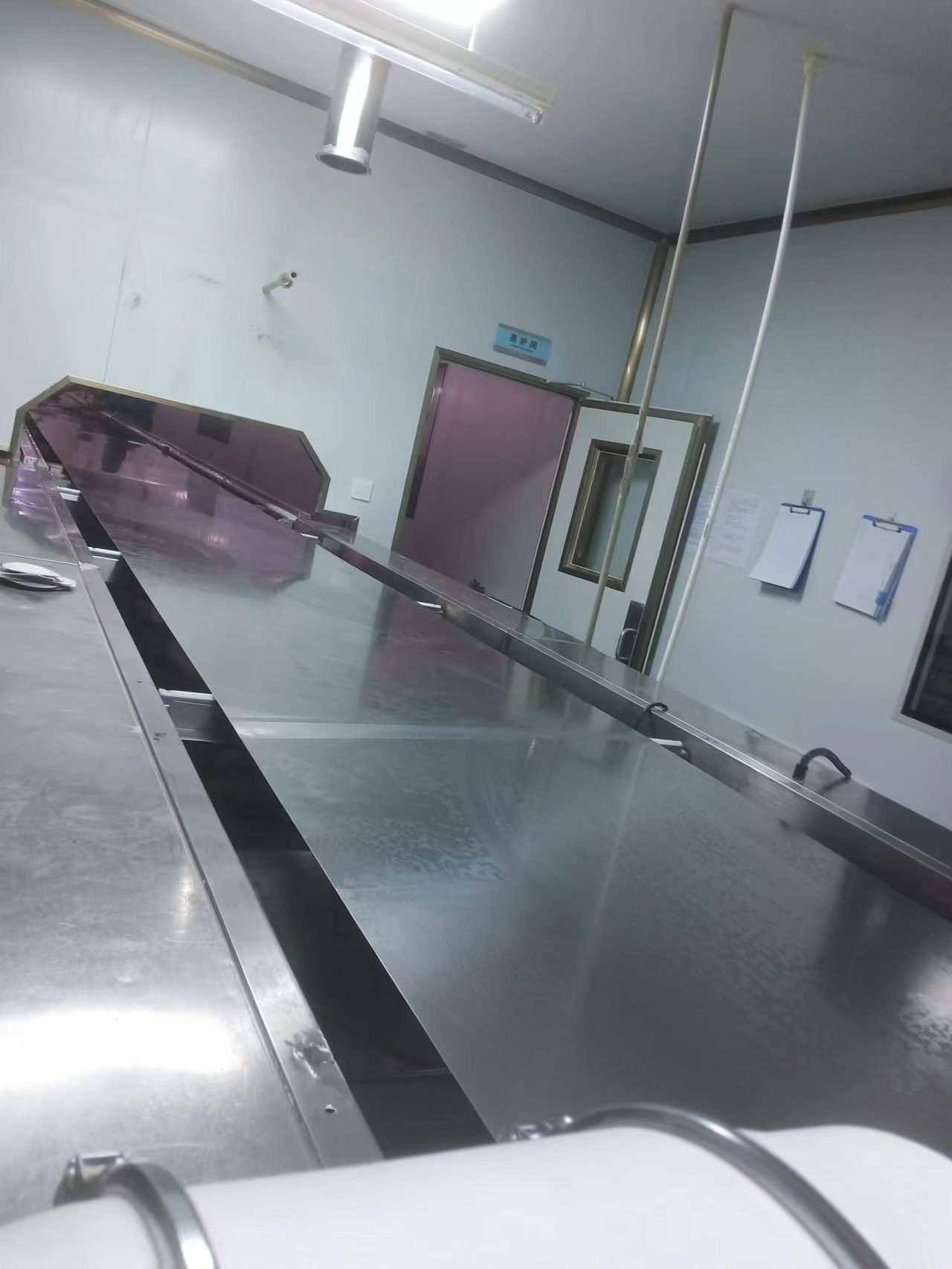
2. Evaluate Core Manufacturing and Technical Capabilities
A supplier's technical foundation dictates product reliability. Scrutinize these areas:
- In-House Expertise: Prefer suppliers with deep metallurgical and mechanical engineering knowledge. Companies that design and manufacture both Steel Belts and specialized equipment like Epoxy Steel Belt Coolers or Wax pastillators often have better integrated solutions. For instance, BPS/EPS (Biquick Process Systems), a tech-focused manufacturer, emphasizes providing total solutions and advanced applications for steel belt-based systems.
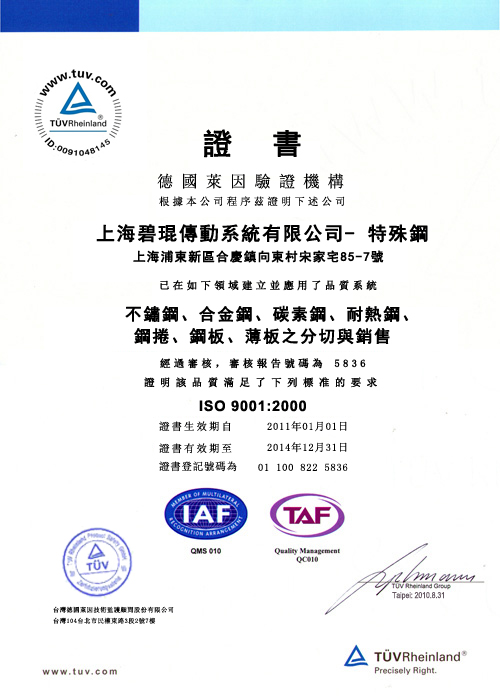
- Quality Control & Certifications: Insist on internationally recognized quality and environmental management certifications. These are non-negotiable for consistent quality. Reputable suppliers hold certifications such as ISO 9001 for quality management and ISO 14001 for environmental management, demonstrating a commitment to standardized processes.
- Material Sourcing & Fabrication: Inquire about the origin of raw materials (e.g., steel grades) and key components like V-ropes. Suppliers using high-grade materials from reputable sources (e.g., UK or German-origin bonding tapes) typically offer longer-lasting products.
3. Assess the Range of Products and Customization Support
Your needs may evolve. A supplier with a broad portfolio and flexibility is a valuable long-term partner.
- Product Portfolio Breadth: Can they supply both standard carbon belts and complex systems like a Crab stick molding machine or a Steel belt Steam oven? A wide range indicates extensive application knowledge.
- Customization Ability: Look for evidence of bespoke solutions. Can they produce press steel belts for OSB production or PTFE coating steel belts for specific release properties? The ability to offer plain, perforated, or flights-equipped belts is a key differentiator.
- Technical Collaboration: The best suppliers act as partners. They should be willing to discuss your casting coating steel belts process or Frible Steel belts application to co-develop an optimal solution.
4. Scrutinize After-Sales Service and Global Support Structure
Downtime is costly. A robust service offering is as important as the product itself.
- Comprehensive Service Menu: Essential services include steel belt crack welding repair, insert repair, and replacement of wear parts like rubber V-ropes. For equipment, look for installation, maintenance, and spare parts support.
- Service Network & Responsiveness: Evaluate their global support footprint. A supplier with multiple service centers can drastically reduce response times. For example, a company with a headquarters in Shanghai and maintenance centers in key industrial regions in China can ensure prompt support for domestic and international clients.
- Technical Documentation & Training: Professional suppliers provide clear operation manuals and offer training to your staff, ensuring correct use and maintenance from day one.
5. Conduct Due Diligence: Site Visits and Reference Checks
Finalize your evaluation with direct verification.
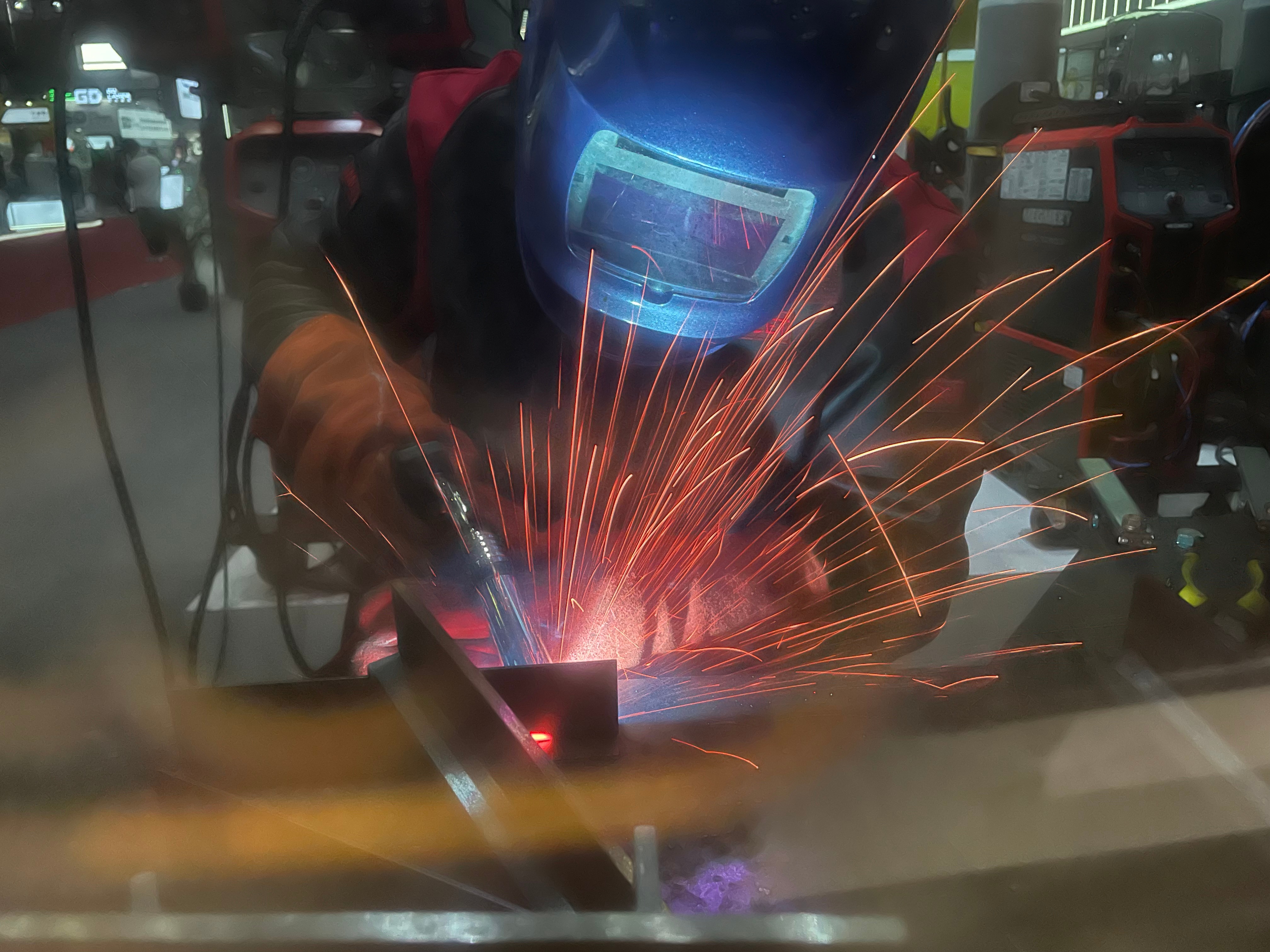
- Factory Audit: If possible, visit the manufacturing facility. Inspect the workshop, quality control labs, and welding stations. Observe the production of a Single-belt resin flaker or the finishing of Stainless steel belts.
- Client References: Request contact information for clients with similar applications, such as those using Polyester Steel Belt Coolers or Steel belt bakery tunnel Ovens. Inquire about product performance, reliability, and service quality.
- Financial and Operational Stability: Assess the company's history, employee count, and market reputation. A stable company is more likely to honor long-term warranties and supply agreements.
By systematically applying these criteria, procurement professionals can move beyond price-based comparisons and identify suppliers who deliver value through technical excellence, reliable products, and unwavering support. The goal is to establish a partnership with a supplier like BPS/EPS, whose mission "Based in China and serve globally" reflects a commitment to providing best-fit solutions, ensuring your production line's efficiency and longevity for years to come.
For more detailed information on steel belt solutions, you can visit www.bpstek.com or contact their team at sales@bpstek.com or +86-21-68904153.