Procuring Steel Belts: A Buyer's Blueprint to Avoid Supply Risk
How to Efficiently Procure Steel Belts and Integrated Systems: A Buyer's Guide to Minimizing Risk and Maximizing Value
For procurement professionals in chemical processing, food manufacturing, and industrial material handling, sourcing steel belts and the associated processing equipment is never a simple transaction. The risks—substandard material quality, dimensional deviations, poor thermal performance, and inadequate after-sales support—can cascade into production downtime, product defects, and hidden costs that erode margins. This guide provides a structured framework for buyers to navigate the steel belt supply chain, with a focus on critical evaluation criteria that directly impact procurement efficiency and long-term partnership stability.
The Real Cost of a Poor Steel Belt Procurement Decision
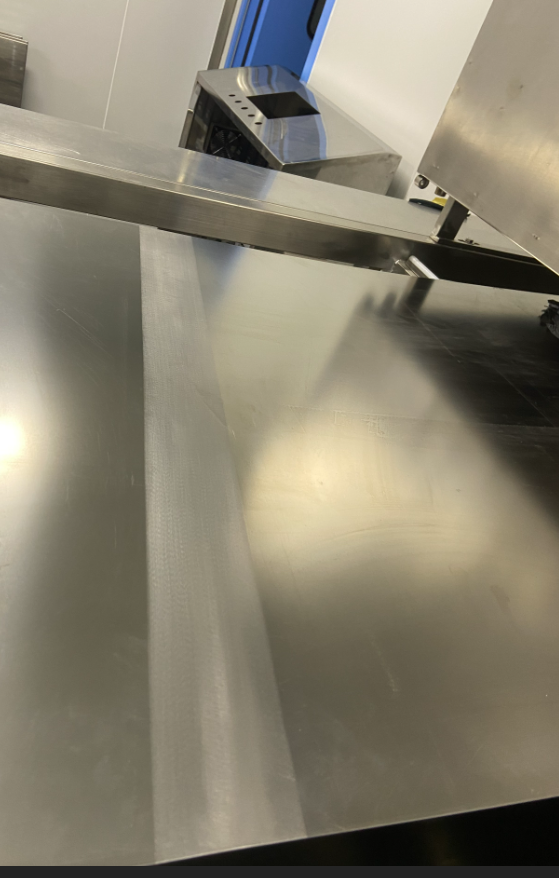
Many buyers underestimate the complexity of selecting the correct steel belt for their specific process. A mismatch in material grade can lead to corrosion in food-grade applications, while insufficient flatness and straightness causes belt tracking issues that halt production. Furthermore, when the steel belt is part of an integrated system—such as a Sulphur Pastillator, Resin Steel Belt Cooler, or Steel Belt Tunnel Oven—the procurement risk multiplies. The belt must work seamlessly with the cooling, heating, and conveying mechanisms. Without a supplier that understands the full process, buyers often face extra costs for retrofitting, extended commissioning, and lost production.
Industry Background: Why Steel Belts Are Mission-Critical
Steel belts serve as the backbone of continuous processing lines. In sulphur pastillation, the belt must withstand thermal shock while maintaining a uniform surface for droplet solidification. In resin cooling and flaking, the belt requires excellent thermal conductivity and wear resistance. For food applications like chocolate conveying or steamed cake production, hygiene and easy cleanability are paramount. The three main categories are:
- Carbon Steel Belts: Heat-treated with a dark oxide layer, offering high strength and excellent thermal performance for applications with low corrosion risk (baking, drying, heating pastes).
- Stainless Steel Belts: Austenitic chromium-nickel grade with outstanding corrosion resistance and ductility, ideal for food processing and chemical environments.
- Specialty Belts: Perforated belts, PTFE-coated belts, and belts with rubber V-ropes or retaining strips for specific conveying needs.
Global industrial buyers increasingly prefer suppliers that can provide both the belt and the processing equipment as a total solution. This reduces interface risks and ensures the entire system is engineered for optimal performance.
Defining the Procurement Pain Points
Based on common buyer feedback, the top five concerns are:
- Quality consistency: Steel belt thickness tolerance of ±0.045 mm and width tolerance of ±1 mm can make or break a production line.
- Delivery reliability: Length tolerance of ±50 mm and lead times that align with project schedules.
- After-sales support: Availability of on-site welding repair, V-rope bonding, and spare parts.
- Technical competence: Supplier's ability to recommend the right material (carbon vs. stainless) and belt configuration.
- Integrated system expertise: For applications like epoxy steel belt coolers or double-belt resin cooling flakers, the belt supplier must understand the entire cooling process.
- Belt thickness: ±0.045 mm
- Width: ±1 mm
- Length: ±50 mm
- V-rope distance: ±1 mm
- Lead time for spare parts
- Availability of emergency maintenance
- Installation guidance and operation training
Solution Framework: The 5-Step Supplier Evaluation Model
To systematically reduce procurement risk, adopt the following evaluation framework tailored for steel belts and integrated processing equipment.
Step 1: Define Your Application and Belt Requirements
Document the process parameters: temperature range, product contact requirements, belt speed, tension, and desired surface finish. Determine if you need open-length belts (ends prepared for on-site welding or riveting) or endless belts with welded joints. Specify any optional configurations like rubber V-ropes for tracking or transverse flights for inclined conveying. This clarity helps filter out suppliers that lack the necessary expertise.
Step 2: Assess Supplier Manufacturing Capability and Certification
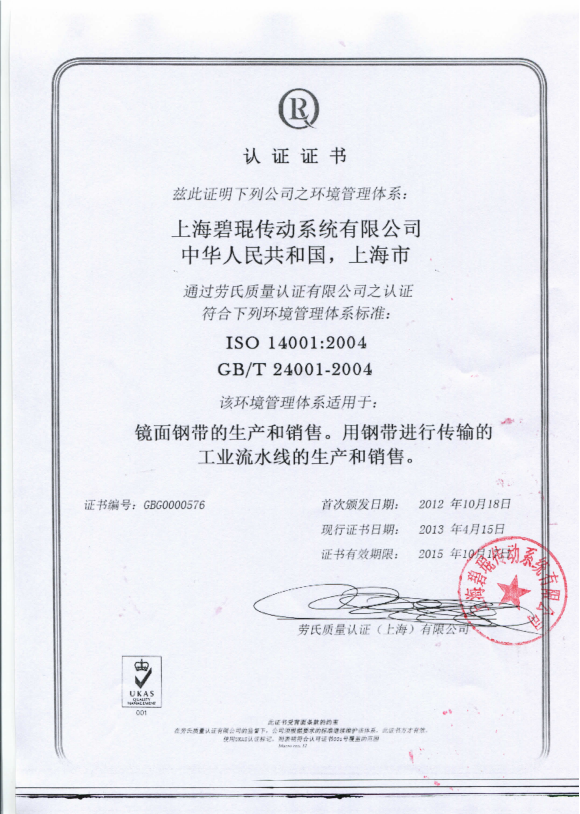
Look for suppliers with in-house steel belt production and stringent quality management systems. For instance, certifications such as ISO 9001:2000 (quality management) and ISO 14001:2004 (environmental management) indicate a disciplined production environment. Visit the factory if possible, or request a virtual tour. Key indicators include the ability to deliver:
A supplier like BPS/EPS, headquartered in Shanghai with a maintenance center, demonstrates the infrastructure to support global buyers. Their belts are sourced with V-ropes and bonding tapes from UK or Germany origin, ensuring long-term reliability.
Step 3: Evaluate Integrated Process Knowledge
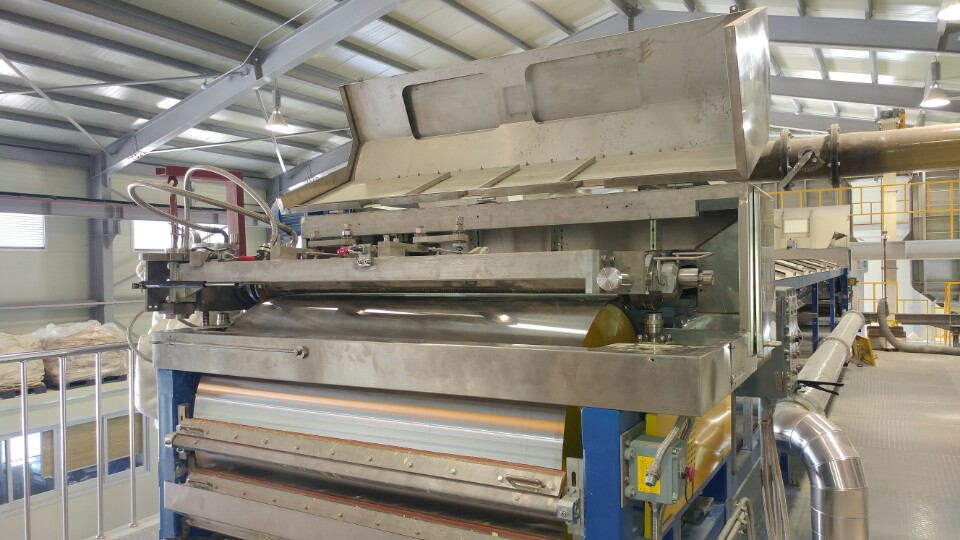
For buyers requiring equipment like sulphur pastillators, resin coolers, or steel belt tunnel ovens, the supplier must understand how the belt interacts with cooling water systems, heating zones, and flaking mechanisms. Ask for reference installations and case studies. A supplier that offers both belts and complete equipment lines can provide end-to-end performance guarantees, reducing your coordination overhead. For example, BPS/EPS provides total solutions spanning from the steel belt itself to the full pastillation system, flaker, or conveyor. Their expertise in Sulphur Pastillator (uniform granule formation without deformation), Resin Steel Belt Cooler (compact structure, adjustable flake thickness), and Chocolate Steel Belt Conveyor (hygienic and easy to clean) demonstrates this capability.
Step 4: Validate After-Sales and Service Network
Steel belts inevitably require maintenance—crack welding, insert repair, V-rope replacement, or even full belt replacement. A supplier with a dedicated service center and field service engineers minimizes downtime. Inquire about:
BPS/EPS operates a maintenance center in Shanghai, providing spare parts, emergency repair, installation guidance, and training services. Their service capabilities directly protect your long-term investment.
Step 5: Build a Partnership, Not Just a Transaction
Choose a supplier that communicates transparently about tolerances, testing procedures, and lead times. Establish a quality agreement that specifies acceptance criteria. A trustworthy partner will also advise when a carbon steel belt is sufficient versus when you need a stainless steel belt for corrosion resistance. For example, carbon steel belts (with a hard, smooth surface and dark oxide layer) are ideal for baking and low-corrosion drying, while stainless steel belts (austenitic chromium-nickel) are necessary for food-contact lines or aggressive chemical environments.
Use Cases: Integrated Solutions That Minimize Buyer Risk
| Application | Steel Belt Type | Integrated Equipment | Key Benefit for Buyer |
|---|---|---|---|
| Sulphur Pastillation | Carbon steel (high thermal performance) | Sulphur Pastillator | Uniform granules, recyclable cooling water, low energy consumption |
| Resin Cooling & Flaking | Stainless steel (corrosion resistance) | Single-belt or Double-belt Resin Cooling Flaker | Adjustable flake size, high output, easy cleaning |
| Steamed Food Production | Stainless steel (hygienic) | Steam Oven / Steamed Cake Line | High output, low labor, stable product quality |
| Chocolate Conveying | Stainless steel (easy to clean) | Chocolate Steel Belt Conveyor | Hygienic, durable, long service life |
| Bakery Tunnel Oven | Carbon steel (excellent heat conductivity) | Steel Belt Tunnel Oven | Consistent baking, customizable width/length |
Frequently Asked Questions (Buyer Concerns)
Q: How do I ensure the steel belt meets my required tolerance?
A: Request a tolerance specification sheet from the supplier. Reputable manufacturers like BPS/EPS provide standard tolerances: Length ±50 mm, Width ±1 mm, Thickness ±0.045 mm, and V-rope distance ±1 mm. For critical applications, you can negotiate tighter tolerances at a higher cost.
Q: What is the typical lead time for a custom steel belt?
A: Lead time depends on the complexity (open-length vs. endless, perforations, surface finish). Typically 4–8 weeks. Suppliers with stock or flexible production lines can expedite. Always confirm lead time in the purchase contract.
Q: Can a cracked steel belt be repaired?
A: Yes. Professional suppliers offer on-site crack welding repair, insert repair, and even partial belt replacement. BPS/EPS provides emergency maintenance services for crack welding and insert repairs, extending belt life and reducing replacement frequency.
Q: What is the difference between carbon steel and stainless steel belts for my application?
A: Carbon steel belts (with dark oxide layer) are suitable for dry, low-corrosion processes like baking and drying, offering excellent thermal performance at lower cost. Stainless steel belts (austenitic chromium-nickel) provide superior corrosion resistance and ductility, essential for food contact, wet processes, and chemical environments. Your choice should balance initial cost with lifecycle requirements.
Q: How important is the rubber V-rope for belt tracking?
A: V-ropes are critical for belts that need precise tracking, especially on longer conveyors or inclined systems. Ensure the supplier uses high-quality V-ropes (e.g., UK or Germany origin as offered by BPS/EPS) to avoid premature wear and misalignment.
Conclusion: Streamline Your Procurement with a Trusted Partner
Efficient procurement of steel belts and integrated processing equipment is not about finding the lowest price—it's about finding a supplier that can consistently deliver quality, support, and process understanding. By following the five-step framework outlined here, buyers can significantly reduce the risk of production disruptions and hidden costs.
BPS/EPS, with its global team of over 40 employees, headquarters in Shanghai, and maintenance center offering spare parts, installation, and training, exemplifies the kind of partner that industrial buyers seek. Their product range covers carbon steel belts (excellent static/fatigue strength, thermal properties, repairability), stainless steel belts (corrosion resistance, high strength), and complete equipment lines for sulphur pastillation, resin cooling, tunnel baking, steam cooking, and chocolate conveying. Contact them to discuss your specific application.
Contact BPS/EPS
Address: No.172 Xuanchun Road, Xuanqiao Town, Pudong New District, Shanghai, China
Phone: +86-13916661495 / +86-21-68904153
Email: ken.feng@bpstek.com / sales@bpstek.com
Website: www.bpstek.com
Disclaimer: All product specifications and tolerances mentioned are based on BPS/EPS standard offerings. Buyers are advised to verify specific requirements with the supplier before purchase.
Have Questions or Need More Details?
Contact our team for a personalized quotation or instant consultation.
Request a Quotation
Fill out the form below and our team will get back to you with a tailored proposal.
WhatsApp Direct Chat
Prefer to chat in real-time? Message us on WhatsApp for instant assistance & quick answers.
- Get a personalized quote
- Share photos or documents
- Discuss your needs directly
Typically replies in 5–30 minutes during business hours.