Steel Belt Types and Applications: A Buyer’s Guide for Industrial Processing
Steel Belt Types and Applications: A Buyer’s Guide for Industrial Processing
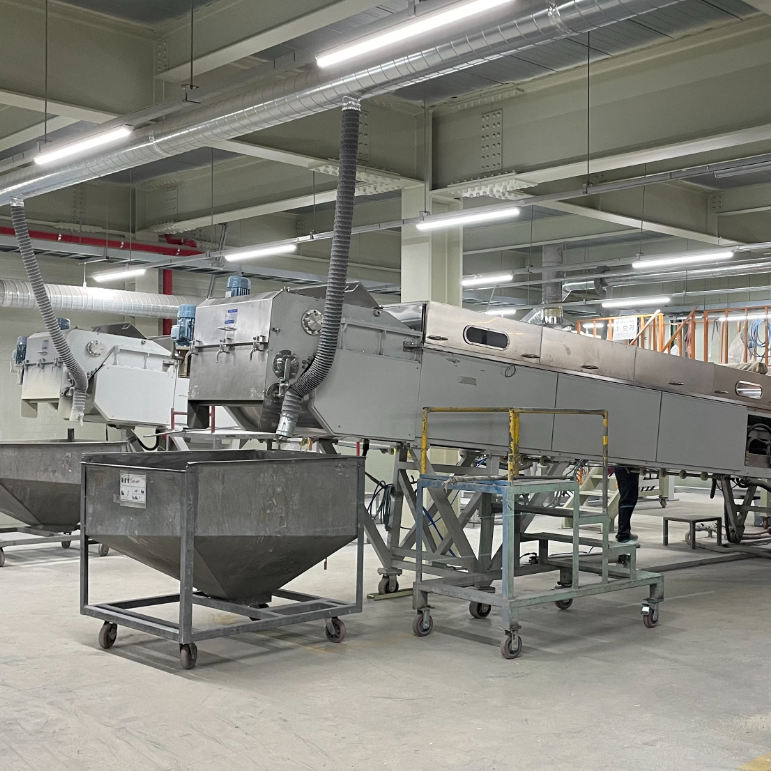
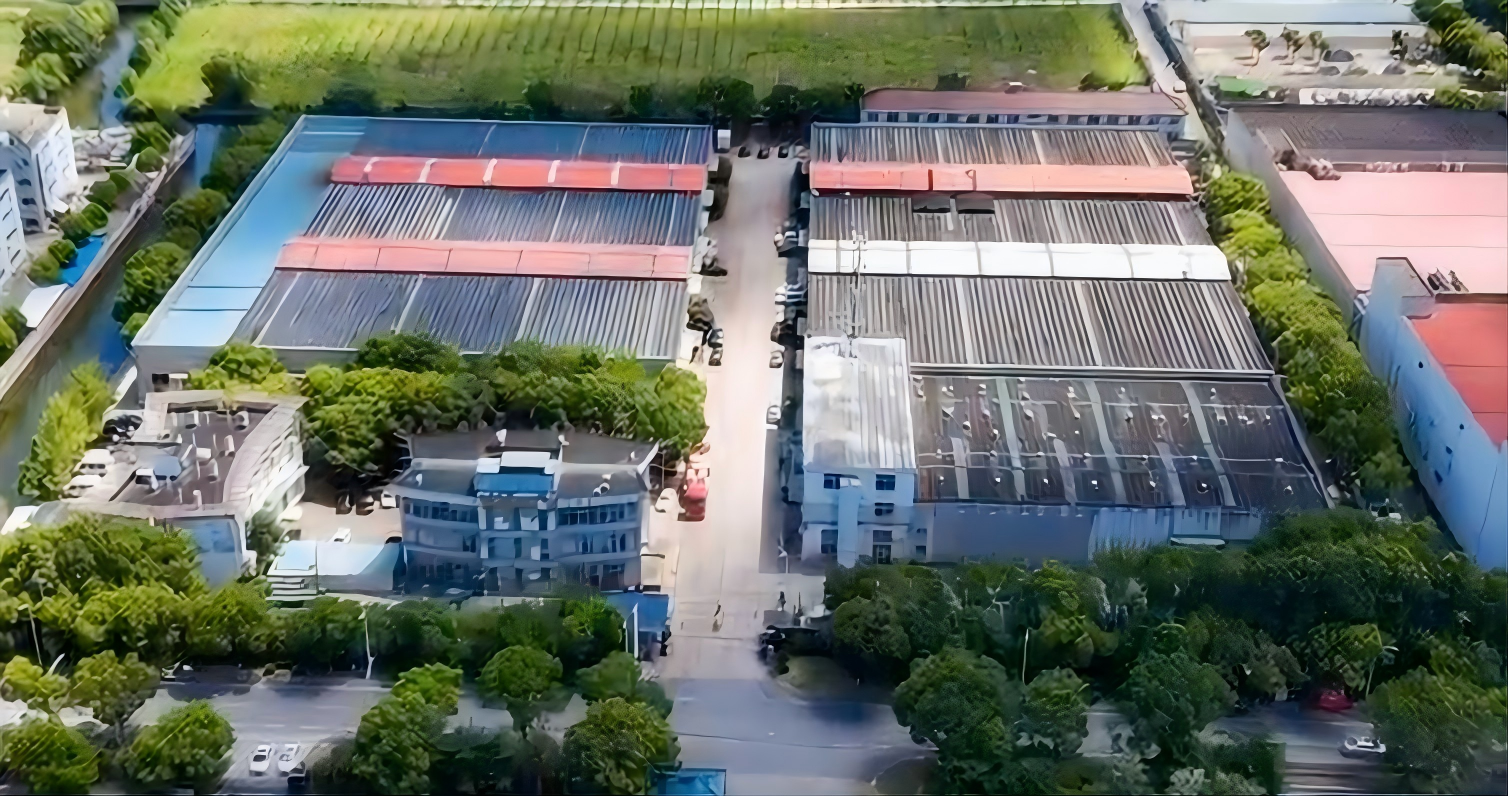
Steel belts are critical components in continuous industrial processing, serving as the primary conveying and processing surface for cooling, flaking, drying, and forming operations in chemical, food, pharmaceutical, and new energy industries. Shanghai Biquick Process Systems Ltd. (branded as BPS/EPS) is a high-tech company founded by overseas Chinese specialists, headquartered in Shanghai with offices in Beijing, Guangzhou, Jiangxi, Hunan, and Fujian, and a service center in Shanghai providing spare parts, maintenance, and installation guidance. This guide helps buyers understand steel belt types, select the right material and coating, and evaluate integrated equipment solutions for applications such as sulphur pastillating, wax pastillating, epoxy resin cooling, polyester cooling, chocolate conveying, and bakery baking.
Problem Definition: Challenges in Industrial Cooling, Conveying, and Forming
Industrial processes that involve molten materials, high-temperature environments, or sticky products face several common challenges: material adhesion to the belt surface, uneven cooling leading to product defects, corrosion from chemicals, hygiene compliance for food and pharmaceutical products, and the need for precise, continuous operation. Without the correct steel belt specification, manufacturers experience increased downtime, product waste, and higher maintenance costs. A steel belt solution must address these pain points by offering the right balance of thermal conductivity, surface release, strength, and corrosion resistance.
Industry Background: The Role of Steel Belts in Modern Manufacturing
Steel belts have evolved from simple conveyor elements into precision process surfaces used in applications such as sulphur pastillators, wax pastillators, epoxy steel belt coolers, polyester steel belt coolers, chocolate steel belt conveyors, and steel belt bakery tunnel ovens. In the chemical new materials industry (powder coatings, resins, hot‑melt adhesives, plastic granulation), belts must withstand 160–220 °C, contact molten materials, and resist corrosion. In food baking (biscuits, bread, cakes), belts operate at 180–250 °C and require FDA‑compliant surfaces. In the new energy and lithium battery sector, belts provide dust‑free, high‑flatness drying support for electrodes. In precision manufacturing and electronics, high‑speed synchronous transport demands micrometer‑level tolerances.
Detailed Solution: Steel Belt Types Offered by BPS/EPS
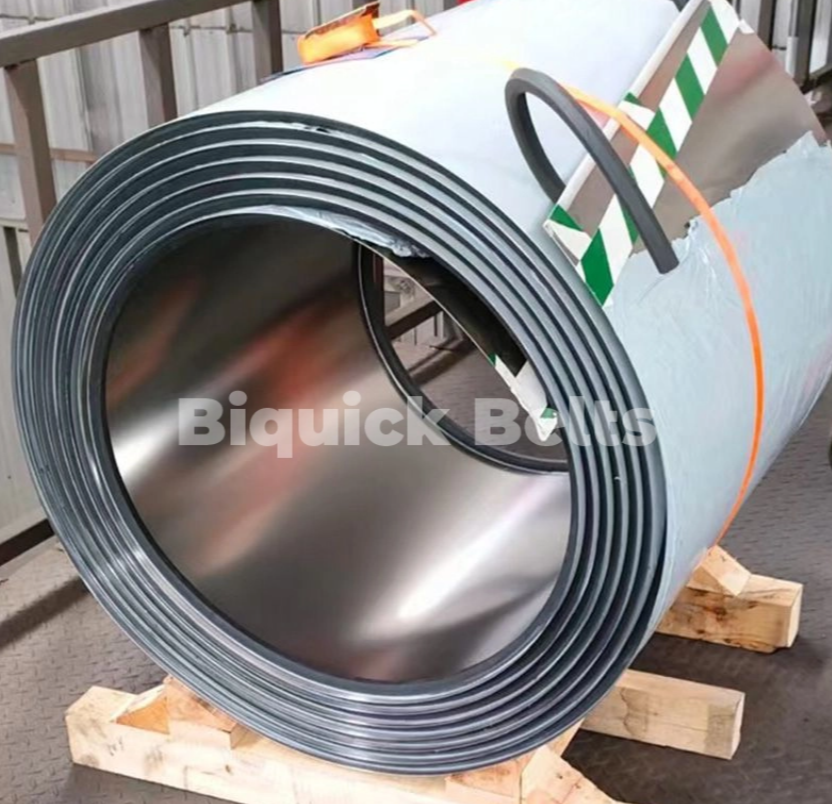
BPS/EPS manufactures four primary steel belt categories, each engineered for specific application conditions:
Carbon Belts
Carbon belts have a nominal chemical composition of C 0.65–0.75%, Si 0.15–0.3%, Mn 0.60–0.90%, Cr ≤0.20%. They are suitable for baking and other food factories where high strength and flatness are required but where corrosion resistance is not the primary concern.
Stainless Steel Belts
Stainless steel belts offer high strength, high flatness, food‑grade hygiene, excellent thermal conductivity, and durable circular welding. They are widely used in chocolate and candy cooling conveyor lines.
PTFE Coated Steel Belts
PTFE coating provides extremely non‑stick and highly demoulding surfaces, food‑grade safety, excellent temperature resistance (both high and low), corrosion resistance, and easy cleaning. The low coefficient of friction makes these belts ideal for sticky materials such as chocolate, syrup, paste, colloid, and powder.
Special Requirement Steel Belts
These belts can be customized with materials such as 301, 304, 316L, 310S, duplex steel, and high‑hardness special alloy. Features include seamless welding, punching, slotting, flanging, guiding edge blocking, side arc chamfering, and special structures like thickening and widening. They can withstand temperatures up to 1100 °C and resist deep cold, oil‑water, and chemical corrosion, making them suitable for food, pharmaceutical, and clean industries.
Step‑by‑Step Selection Guide for Industrial Buyers
- Identify your operating conditions: Determine temperature range (e.g., 160–250 °C for baking), chemical exposure, material stickiness, and hygiene requirements.
- Choose the base material: For food and clean environments, use 304/316L stainless steel. For high‑temperature chemical processes, consider special alloys or carbon steel with coatings.
- Select surface coating: If the product is sticky (chocolate, syrup, hot‑melt adhesive), specify PTFE coating for easy release.
- Determine belt structure: For precision positioning or high‑speed transport, request special requirement belts with custom punching, slotting, or flanging.
- Integrate with equipment: BPS/EPS provides complete systems including steel belt coolers, flakers, tunnel ovens, and steam ovens, with annual production capacity of 10–15 steel strip laminating machines and 5–8 cooling/forming systems.
Use Cases Across Industries
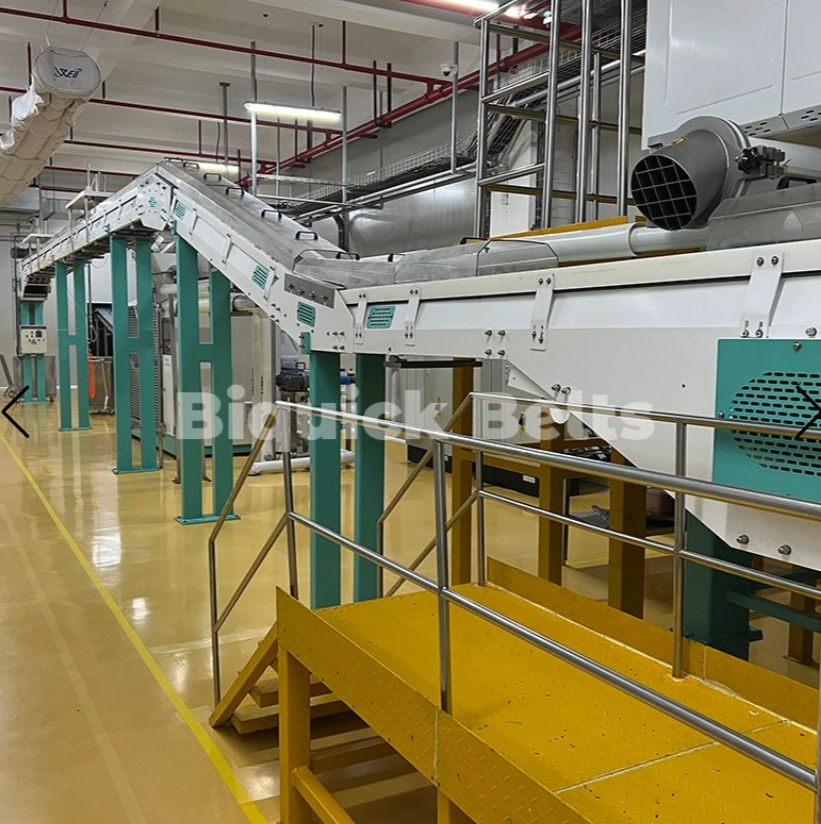
- Chemical New Materials (e.g., sulphur pastillator, wax pastillator, resin cooling): Stainless steel or special requirement steel belts handle molten materials at 160–220 °C, with corrosion resistance and non‑stick surfaces for flaking.
- Food Baking (steel belt bakery tunnel oven, steam oven): Carbon belts or stainless steel belts operate at 180–250 °C, meeting food‑grade cleanliness and FDA standards.
- Chocolate and Candy Processing (chocolate steel belt conveyor): Stainless steel or PTFE coated belts provide excellent demoulding and easy cleaning.
- Pharmaceutical and Clean Industry (crab stick molding, gel cooling): 316L stainless steel belts with burr‑free surfaces and no pollutant precipitation.
- New Energy (battery electrode drying): Stainless steel belts with ultra‑high flatness and clean packaging.
- Precision Manufacturing: Special requirement steel belts with micrometer tolerances and positioning holes.
Comparison Table: Carbon vs. Stainless Steel vs. PTFE Coated vs. Special Requirement Belts
| Property | Carbon Belts | Stainless Steel Belts | PTFE Coated Belts | Special Requirement Belts |
|---|---|---|---|---|
| Material | Carbon steel (C 0.65–0.75%) | 304/316L stainless steel | Steel substrate + PTFE coating | 301, 304, 316L, 310S, duplex, etc. |
| Temperature Range | Baking range (180–250 °C) | Typical up to 400 °C | Excellent high/low temperature resistance | Up to 1100 °C |
| Surface Release | Moderate | Good (polished) | Extremely non‑stick | Customizable (coating optional) |
| Corrosion Resistance | Limited (Cr ≤0.20%) | Good (304/316L) | Excellent (acid/alkali resistant) | Excellent (alloy‑dependent) |
| Food Grade Hygiene | Applicable with care | Yes (FDA‑compliant) | Yes (food‑grade safety) | Yes (if specified) |
| Customization | Limited | Limited | Can be customized for non‑standard purposes | Seamless welding, punching, slotting, flanging, etc. |
| Typical Applications | Biscuit/bread baking | Chocolate cooling, food conveyor | Chocolate, syrup, paste, colloid, powder | High‑temp chemicals, electronics, pharma |
Frequently Asked Questions
What compliance standards do BPS/EPS steel belts meet for food applications?
What capabilities do BPS/EPS special requirement steel belts offer?
How much does a steel belt cooler from BPS/EPS cost?
Can I request a steel belt sample before ordering?
What is the lead time for a custom steel belt system?
Conclusion
Selecting the right steel belt is a strategic decision that impacts production efficiency, product quality, and operational cost. BPS/EPS offers a comprehensive range of carbon steel, stainless steel, PTFE coated, and special requirement steel belts, backed by over a decade of experience in integrated system design. By matching belt properties to process conditions—temperature, chemical exposure, stickiness, and hygiene standards—buyers can achieve reliable, long‑term performance. For further assistance, contact the BPS/EPS team or download the product brochure.
Download Company Brochure (English)
Have Questions or Need More Details?
Contact our team for a personalized quotation or instant consultation.
Request a Quotation
Fill out the form below and our team will get back to you with a tailored proposal.
WhatsApp Direct Chat
Prefer to chat in real-time? Message us on WhatsApp for instant assistance & quick answers.
- Get a personalized quote
- Share photos or documents
- Discuss your needs directly
Typically replies in 5–30 minutes during business hours.