For industrial procurement professionals, selecting a steel belt system is far more than a simple component purchase; it is a critical investment in the core of a continuous production process. The wrong choice can lead to catastrophic downtime, product contamination, and significant financial loss. This vertical application guide is designed to help buyers in sectors like chemical processing, food production, and industrial manufacturing navigate the complexities of finding a supplier that truly understands and can meet the stringent, specialized demands of their industry.
1. Industry-Specific Demands: Core Requirements for Steel Belt Systems
Each processing sector imposes unique operational and material challenges on steel belts and their associated equipment. A one-size-fits-all approach is a recipe for failure.
Chemical & Petrochemical Industry
- Corrosion & Chemical Resistance: Handling materials like sulphur, epoxy, or polyester resins requires belts and coolers (Epoxy Steel Belt Cooler, Polyester Steel Belt Cooler) made from specific stainless steel grades to prevent degradation.
- Thermal Management & Precision: Processes such as Sulphur Pastillation or resin flaking demand exact temperature control and uniform cooling to achieve consistent particle size and product quality.
- Hazardous Environment Design: Equipment may need to comply with ATEX or other safety standards for volatile material processing.
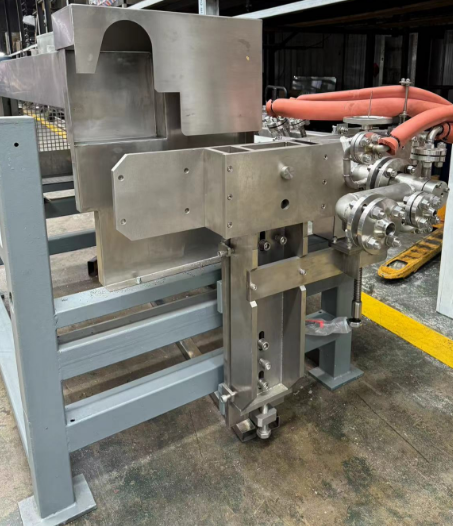
Sulphur Pastillator: Requires precise thermal control and corrosion-resistant materials.
Food & Bakery Industry
- Hygienic & Sanitary Design: Surfaces must be smooth, non-porous, and easy to clean. Equipment like Chocolate Steel Belt Conveyors and Steel belt Steam ovens must prevent bacterial harborage.
- FDA-Compliant Materials: All belt materials and contact surfaces must be food-grade, often requiring specific stainless steel belts.
- Gentle & Consistent Processing: For Steamed cake production lines or Crab stick molding machines

Steel Belt Steam Oven: Essential for automated, hygienic food steaming lines.
Industrial & Composite Manufacturing
- High Load & Abrasion Resistance: Applications like wood OSB press belts or press steel belts endure extreme pressure and wear, demanding superior static and fatigue strength.
- Specialized Surface Finishes: Requirements can include PTFE coating for non-stick properties or perforations for air/water passage in casting coating steel belts.
- Custom Geometry & Tolerance: Belts for Single-belt or Double-belt resin cooling flakers need high flatness and precise dimensional tolerances to ensure uniform product thickness.
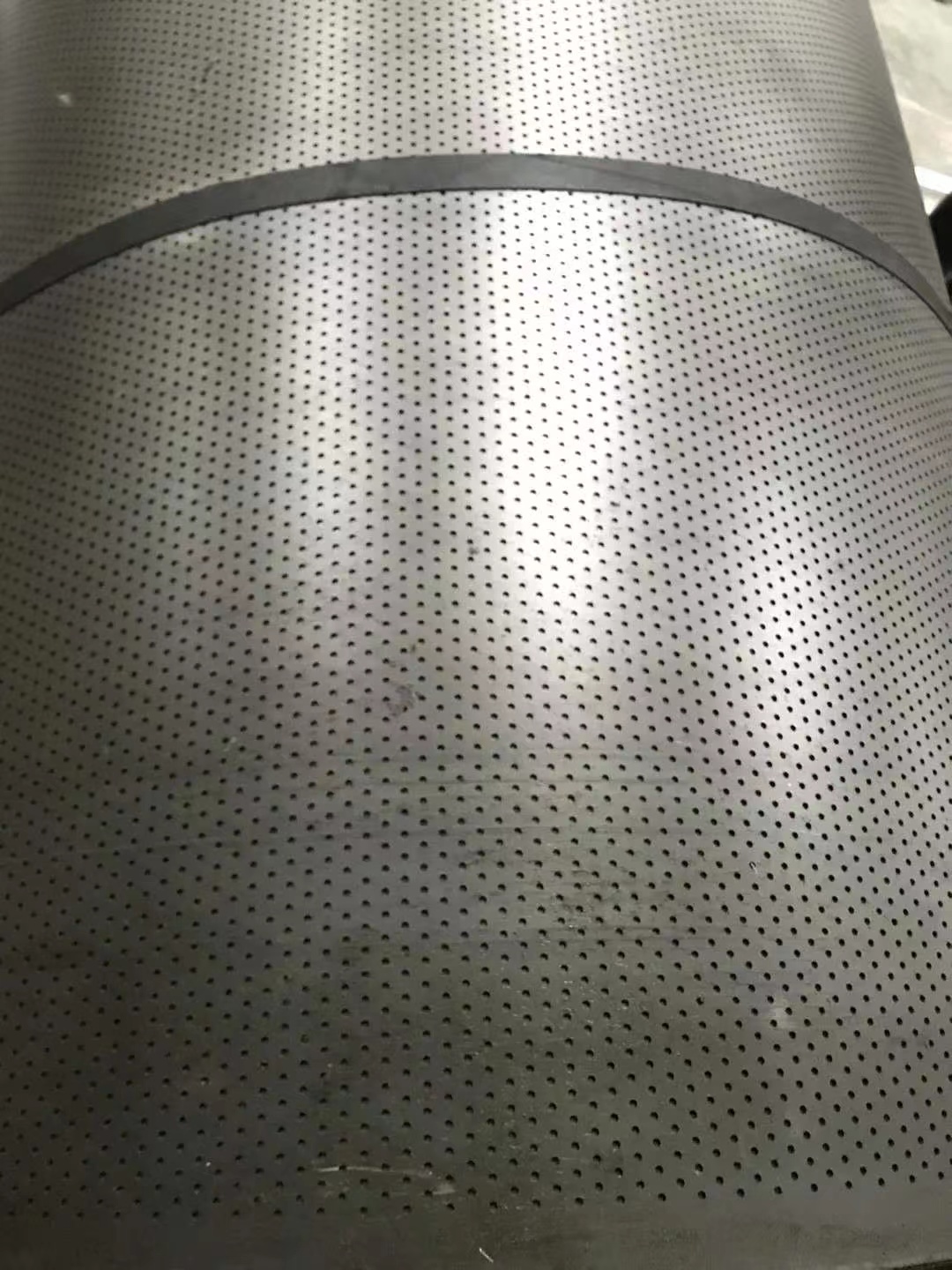
Perforated Belts: Customized for specific air/water flow needs in industrial processes.
2. Supplier Selection Criteria: 3 Essential Capabilities
Beyond basic manufacturing, a qualified specialized supplier must demonstrate these core competencies:
- Proven Industry Customization Experience: Look for a portfolio of past projects in your specific field. Can they provide case studies for a powder painting Steel Belt Flaker or a complete Steamed cake production line? Experience translates into understanding unspoken process nuances.
-
Comprehensive Compliance & Certification: The supplier's quality management system should be internationally recognized. Certificates like ISO 9001 for quality and ISO 14001 for environmental management are baseline indicators of a systematic, reliable operation. For food or pharmaceutical applications, relevant hygienic design certifications are critical.
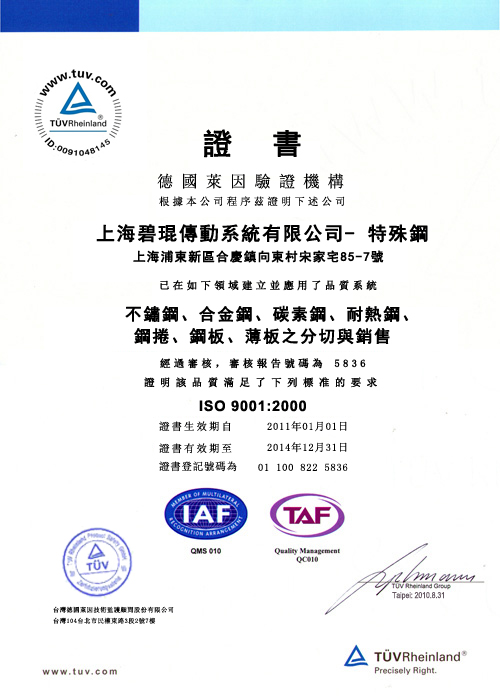
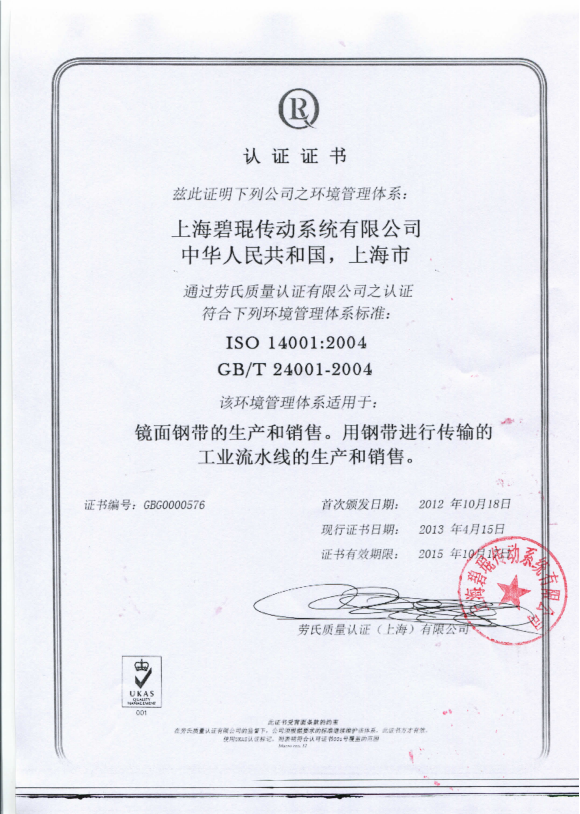
BPS/EPS maintains ISO 9001 and ISO 14001 certifications, ensuring standardized quality and environmental management.
- Robust Design for Harsh Environments & Full Lifecycle Support: The supplier must engineer for real-world conditions—heat, moisture, chemical exposure, and mechanical stress. Equally important is their after-sales commitment. Do they offer steel belt crack welding repair, emergency maintenance, and operation training? A supplier invested in your long-term operation is a true partner.
3. Success Case: BPS/EPS's Integrated Solution for a Global Chemical Producer
BPS/EPS (Biquick Process Systems), a high-tech company founded by a group of overseas Chinese, recently addressed a critical challenge for a multinational chemical company. The client needed to upgrade their ageing resin cooling line to increase output, improve flake consistency, and reduce energy consumption.
The Challenge: The existing system had inconsistent cooling, leading to variable flake thickness and frequent belt tracking issues, causing downtime.
The BPS/EPS Solution:
- Conducted an on-site process audit to analyze thermal profiles and material behavior.
- Designed and supplied a custom Double-belt resin cooling flaker with an enhanced water-cooling circuit and a precision-tracking system using high-quality German-origin rubber V-ropes.
- Provided specially engineered stainless steel belts with optimized thermal conductivity and surface finish to ensure uniform heat transfer and easy product release.
- Included a comprehensive service package: supervised installation, operator training, and a defined preventive maintenance schedule.
The Result: The new line achieved a 25% increase in production capacity, a 40% reduction in energy use per ton, and produced flakes with consistent thickness (±0.1mm). Client downtime related to the cooling process was virtually eliminated. This case underscores BPS/EPS's mission to "genuinely cooperate with customers to provide the best solutions" and their expertise in steel belt transmission-based manufacturing systems.
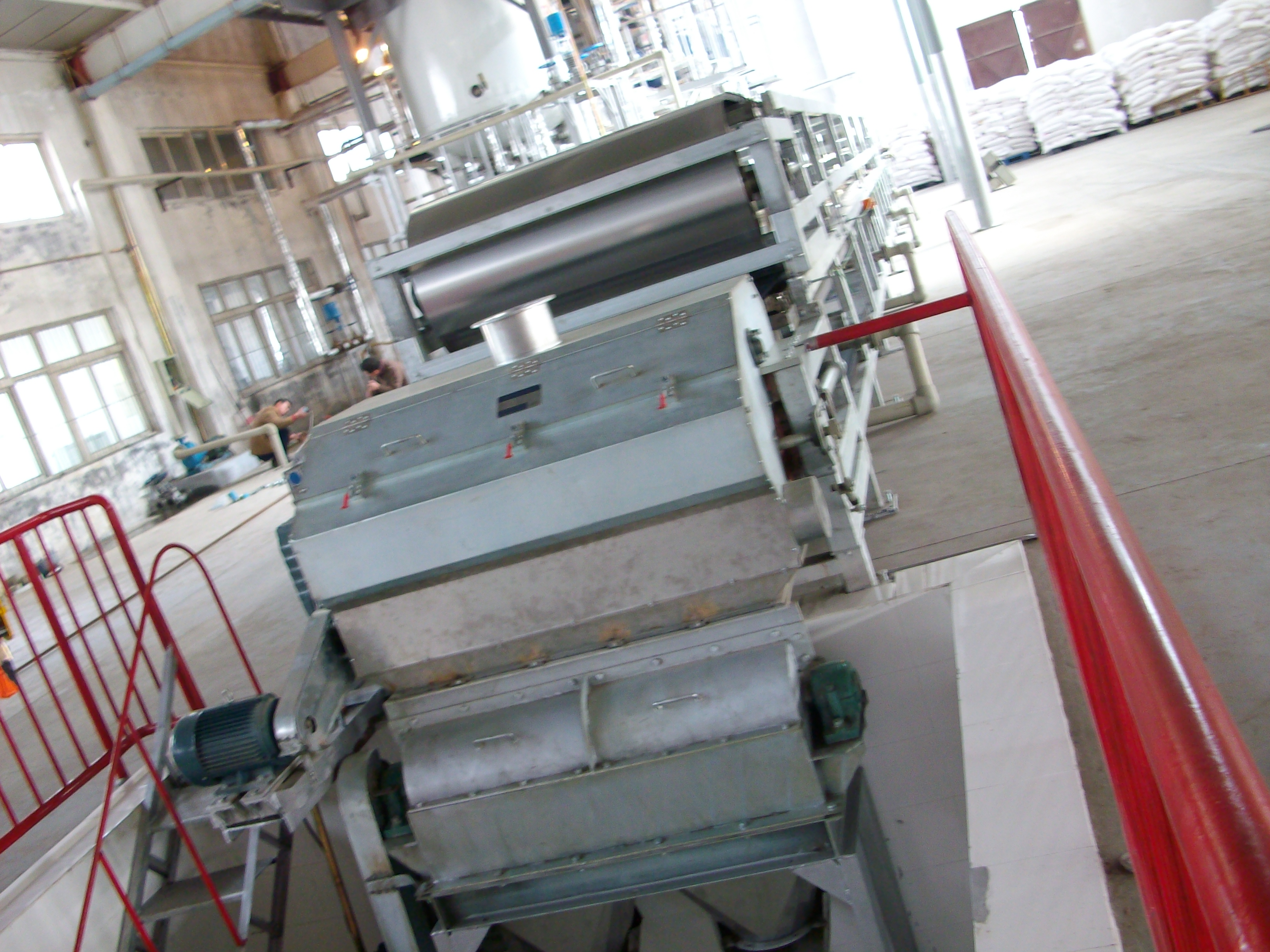
BPS/EPS's Resin Steel Belt Cooler: Engineered for high efficiency and stable product quality in chemical applications.
4. Strategic Collaboration Advice for Buyers
To ensure a successful partnership, procurement teams should focus on these key engagement points:
1. Articulate Industry Standards Upfront: Clearly communicate all relevant industry standards (e.g., FDA, ATEX, specific material grades) during the RFQ stage. A qualified supplier like BPS/EPS will ask detailed questions about your process environment.
2. Insist on a Collaborative Needs Assessment: A reputable supplier should offer or require a site visit. For complex systems like a Steel belt bakery tunnel Oven or a Chocolate Steel Belt Conveyor, a joint audit of spatial constraints, utility connections, and process flow is invaluable.
3. Define the After-Sales and Emergency Response Protocol: Before signing the contract, clarify the scope of after-sales support. What is the response time for emergency maintenance? Is steel belt insert repair available locally? BPS/EPS, for instance, operates a maintenance center in Shanghai to ensure long-term customer interests.
Selecting the right steel belt system supplier is a strategic decision that impacts your production efficiency, product quality, and bottom line. By focusing on industry-specific needs, verifying supplier capabilities against the three essential criteria, and fostering a transparent, collaborative partnership, procurement professionals can secure a solution that drives operational excellence for years to come.
About BPS/EPS
BPS/EPS is a high-tech company specializing in steel belt manufacturing and integrated process solutions for cooling, pastillation, molding, and drying applications. With a global team and a mission to "Based in China and serve globally," they provide total solutions from advanced application engineering to comprehensive after-sales service.
Contact for Specialized Solutions:
Phone: +86-13916661495 / +86-21-68904153
Email: ken.feng@bpstek.com / sales@bpstek.com
Website: www.bpstek.com | www.esptek.cn
Address: No.172 Xuanchun Road, Xuanqiao Town, Pudong New District, Shanghai, China.