Chocolate Steel Belt Conveyor Systems: An FAQ White Paper for Procurement & Operations
This comprehensive FAQ document addresses common queries from food processing professionals regarding the specification, integration, operation, and maintenance of steel belt conveyor systems for chocolate and confectionery applications. Compiled based on industry expertise from BPS/EPS.
In the dynamic confectionery industry, efficient and hygienic material handling is paramount. Chocolate Steel Belt Conveyors are critical components for transporting chocolate slurry, auxiliary materials, and formed products through various stages of production, from mixing and tempering to molding and cooling. Selecting the right system and understanding its operational nuances can significantly impact product quality, hygiene standards, and overall line efficiency. This white paper consolidates key questions and expert answers to guide procurement decisions and optimize system performance.
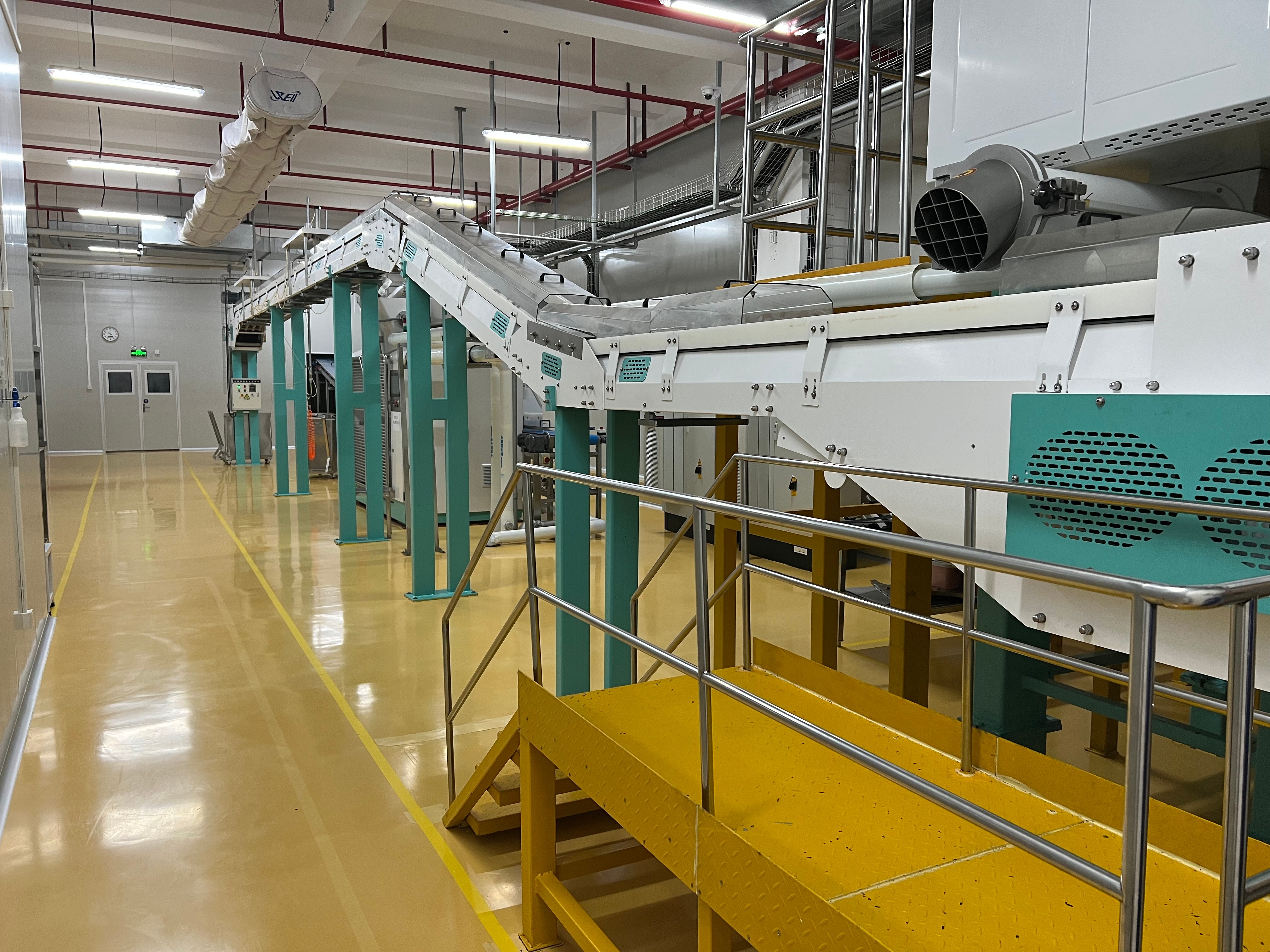
Figure 1: A typical Chocolate Steel Belt Conveyor system handling product in a food-grade environment.
Section 1: Specification & Selection
1. What are the primary advantages of using a steel belt conveyor for chocolate applications compared to other belt types?
Steel belts offer several distinct benefits for chocolate processing:
- Superior Hygiene: The non-porous, smooth surface of stainless steel belts prevents bacterial harborage, is easy to clean and sanitize, and meets stringent food safety standards like FDA and EHEDG guidelines.
- Excellent Temperature Control: Steel belts provide efficient and uniform heat transfer, which is crucial for processes involving tempered chocolate or pre-cooling before molding.
- High Durability & Long Life: Resistant to abrasion, cutting, and tearing from product contact, leading to lower long-term replacement costs.
- Dimensional Stability: Minimal stretching ensures consistent tracking and product placement, critical for automated downstream processes.
- Versatility: Capable of handling a wide range of consistencies, from viscous chocolate slurries and pastes to solid sheets, granules, and delicate enrobed products.
2. What key factors should be considered when specifying a Chocolate Steel Belt Conveyor?
Procurement teams should evaluate the following parameters:
- Belt Material: Austenitic chromium-nickel stainless steel belts (e.g., AISI 304, 316) are standard for their corrosion resistance and hygiene. The choice depends on cleaning chemical compatibility.
- Belt Dimensions & Configuration: Length, width, thickness (affecting flexibility and heat transfer), and whether an open-length or endless welded belt is required.
- Surface Finish: A polished finish (e.g., 2B, BA) reduces product adhesion and eases cleaning. A textured finish may be specified for incline conveying.
- Drive & Tracking System: Robust drive motors and precise tracking mechanisms (often using rubber V-ropes) are essential for consistent, maintenance-free operation.
- Hygienic Design: Framework should have smooth, crevice-free surfaces, be easy to access for cleaning, and use food-grade lubricants.
- Integration Requirements: Compatibility with upstream equipment (e.g., depositors, enrobers) and downstream systems (e.g., cooling tunnels, packaging).
3. When should a carbon steel belt be considered over a stainless steel belt for a conveying application?
While stainless steel is the default for direct food contact, carbon steel belts can be a cost-effective alternative in specific, non-corrosive sections of a process line. Their excellent thermal properties make them suitable for applications like:
- Pre-heating zones before enrobing.
- Conveying through dry, low-moisture environments.
- Handling intermediate products that are not in their final form and will be further processed.
However, for any application involving wash-down, moisture, or final product contact, stainless steel remains the mandatory choice. Suppliers like BPS/EPS provide both options and can advise on the optimal material based on the specific process stage and total cost of ownership.
Section 2: Operation & Performance
4. How can belt tracking issues be minimized and corrected?
Consistent tracking is vital for operational stability. Key strategies include:
- Proper Installation: Ensuring the conveyor frame is level and the pulleys are perfectly aligned during initial setup.
- Using V-Rope Guidance Systems: High-quality rubber V-ropes, bonded to the belt's underside, run in matching pulley grooves, providing positive mechanical tracking. Sourcing V-ropes from reputable origins (e.g., UK or Germany) ensures durability.
- Regular Tension Checks: Maintaining correct belt tension as per the manufacturer's specifications.
- Even Load Distribution: Ensuring product is deposited centrally on the belt to avoid uneven forces.
- Proactive Maintenance: Regularly inspecting and cleaning tracking guides and sensors. If persistent drift occurs, professional service for frame realignment or V-rope replacement may be needed.
5. What are the best practices for cleaning and sanitizing a chocolate steel belt conveyor?
Adhering to a strict cleaning protocol extends belt life and ensures food safety:
- Dry Cleaning: Use plastic scrapers to remove the bulk of product residue immediately after production.
- Wet Cleaning: Apply food-grade, non-corrosive detergents with low-pressure water. Avoid high-pressure jets directly on seals and bearings.
- Sanitization: Use approved sanitizers. For stainless steel belts, ensure the sanitizer is compatible to prevent pitting or corrosion.
- Drying: Thoroughly dry the belt and framework after cleaning to prevent water spotting on stainless steel and corrosion on carbon steel components.
- Lubrication: Re-apply food-grade lubricants to drive chains and bearings as specified, only after cleaning and drying.
Systems designed with easy-access panels and CIP (Clean-in-Place) capabilities significantly reduce downtime.
6. How does the conveyor integrate with other key chocolate processing equipment like Steel Belt Coolers or Tunnel Ovens?
Modern chocolate lines are highly integrated. A Chocolate Steel Belt Conveyor often acts as the linking module:
- Upstream of a Cooler/Flaker: It can transport tempered chocolate slurry to a Steel Belt Cooler for solidification into a thin sheet before flaking.
- Through a Tunnel Oven: For products like chocolate-coated biscuits, the conveyor carries them through a multi-zone steel belt bakery tunnel oven for baking before enrobing.
- Feeding Molding Lines: It can supply liquid chocolate to depositors for molding machines.
Successful integration requires precise speed synchronization, compatible transfer points, and sometimes customized belt flights or side guides to ensure smooth product transition without deformation.
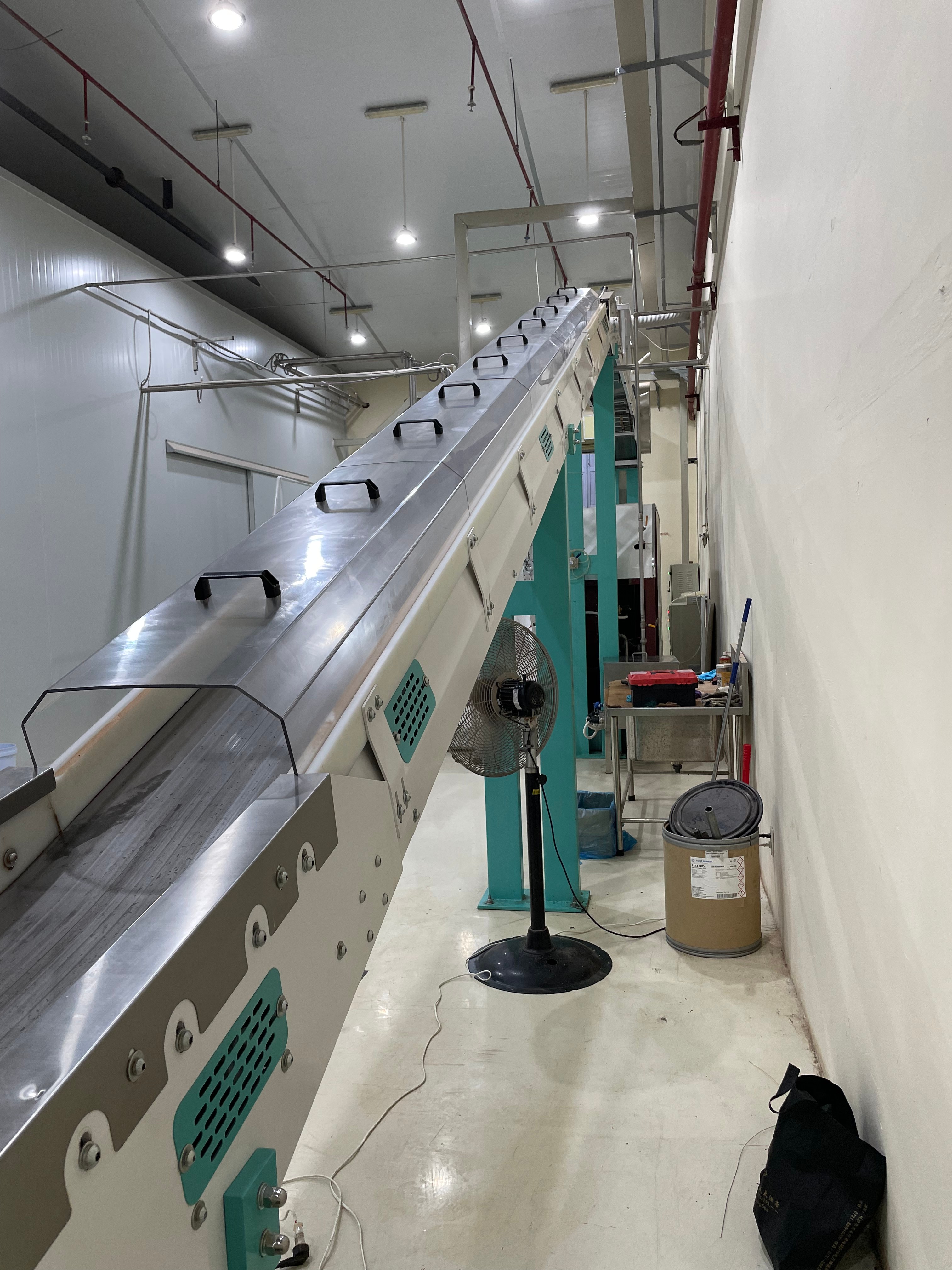
Figure 2: Detail of a well-integrated conveyor section, highlighting hygienic design and robust construction.
Section 3: Maintenance & Troubleshooting
7. What are the most common maintenance requirements for a steel belt conveyor?
Preventive maintenance is key to maximizing uptime:
- Daily/Weekly: Visual inspection for debris, checking belt tracking, listening for unusual noises from bearings or drives, and verifying lubrication levels.
- Monthly/Quarterly: Inspecting belt edges and surface for wear or damage. Checking tension and alignment. Inspecting the condition of rubber V-ropes and drive components.
- Annually: Comprehensive inspection of all mechanical and electrical components. This may involve professional service from the supplier.
- As-Needed: Steel belt crack welding repair or insert repair for localized damage, performed by certified technicians to restore belt integrity without full replacement.
8. What should be done if the steel belt develops a crack or localized damage?
Immediate action can prevent a small issue from causing catastrophic failure:
- Stop the line and isolate the conveyor.
- Assess the damage: Determine the crack's length, location, and cause (e.g., impact, fatigue).
- Contact a specialist service provider: For companies like BPS/EPS, which offer dedicated steel belt services, this is a core competency. Their technicians can perform on-site or in-workshop repairs.
- Repair Options:
- Crack Welding: Using specialized TIG welding techniques to fuse the crack, followed by grinding and polishing to restore the surface.
- Insert Repair: For larger damaged areas, a section of the belt is cut out and a new, perfectly fitted insert is welded in place.
- Root Cause Analysis: Work with the supplier to understand why the failure occurred (e.g., misalignment, foreign object) to prevent recurrence.
9. How long can a properly maintained stainless steel belt last in chocolate production?
Service life varies based on operating conditions (hours/day, abrasiveness of product, cleaning regimen), but a high-quality, well-maintained stainless steel belt in a standard confectionery environment can typically last 8 to 15 years or more. Factors extending life include:
- Using belts from manufacturers with precise delivery tolerances (e.g., width ±1 mm, thickness ±0.045 mm).
- Adherence to proper cleaning and maintenance schedules.
- Prompt repair of minor damage.
- Operating within designed load and speed limits.
About the Expertise Behind This FAQ
This white paper draws upon the extensive practical knowledge of BPS/EPS (Biquick Process Systems), a global high-tech company founded by overseas Chinese experts, specializing in steel belt manufacturing and integrated processing solutions. With over 40 employees worldwide, BPS/EPS provides total solutions—from advanced steel belts to complete equipment like Sulphur Pastillators, Resin Steel Belt Coolers, and Steam Ovens—backed by comprehensive post-service support.
The company's commitment to quality is underscored by international certifications, including ISO 9001:2000 for quality management and ISO 14001:2004 for environmental management systems.
Headquartered in Shanghai with offices across China and a dedicated maintenance center, BPS/EPS lives by its mission: "Based in China and serve globally." Their expertise ensures customers receive not just a product, but a reliable, long-term partnership for their chocolate steel belt conveyor and broader processing needs.
For Further Technical Consultation
Visit: www.bpstek.com | Email: sales@bpstek.com or ken.feng@bpstek.com | Phone: +86-21-68904153 / +86-13916661495
Address: No.172 Xuanchun Road, Xuanqiao Town, Pudong New District, Shanghai, China